
Real US patents whose protection has ended, each explained in plain English. See what they do, why they lapsed, and how to turn one into an invention of your own.
Each of these was granted, then lapsed when its owner stopped paying USPTO maintenance fees. Open any one for the full summary, the drawing, and the legal record behind its status.
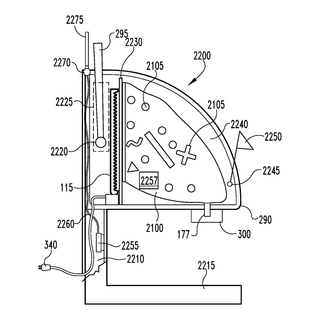
This is a container designed to dispense chocolate.
US11224233B2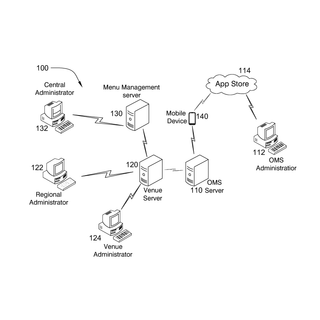
This invention describes a system for ordering products or services using a mobile app on a device equipped with a scanning lens.
US10373223B2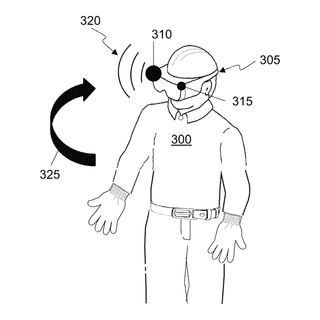
This invention describes a system that helps a person move to a specific spot in a real-world space.
US11055913B2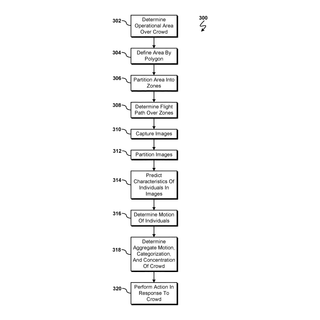
This system uses a drone flying over a crowd to take pictures and videos.
US10706289B2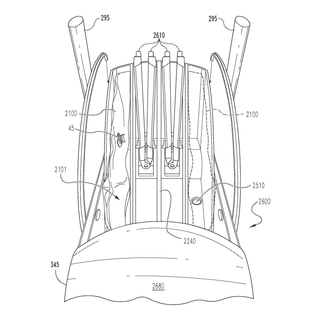
This system is a manual chocolate dispenser.
US11064712B2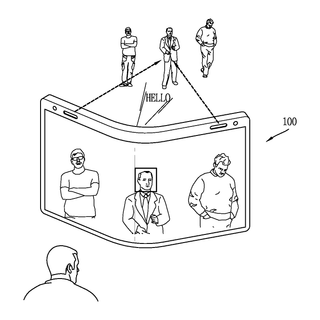
This invention describes a mobile phone or tablet with a display that's split into two parts.
US10564675B2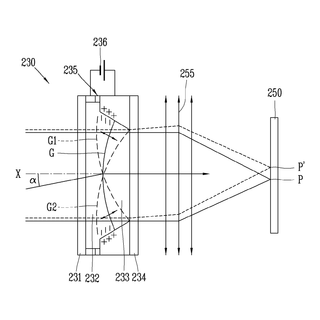
This invention describes a camera module for mobile phones that can switch between wide-angle and normal-angle views.
US10791274B2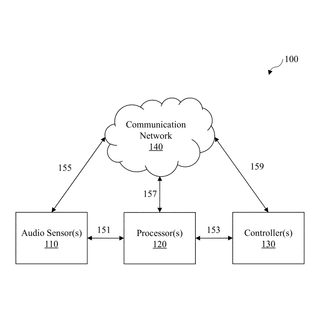
This invention describes a system for voice communication that uses a microphone hidden inside a piece of fabric, placed between its outer and inner…
US10706871B2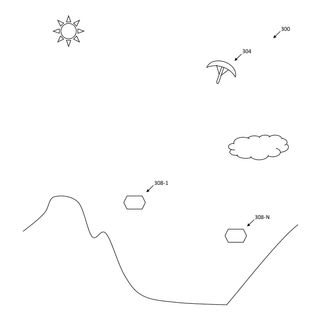
This system detects fires by first scanning wide areas with satellite images, using a specialized AI (a convolutional neural network) to pinpoint…
US11182611B2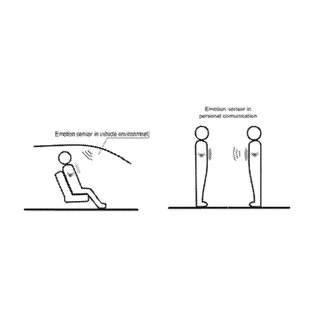
This is a tiny radar system designed to detect emotions.
US10159435B1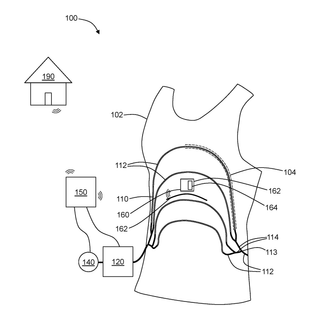
This invention describes a temperature-regulating garment that uses a network of tubes embedded within channels in its fabric.
US10980292B2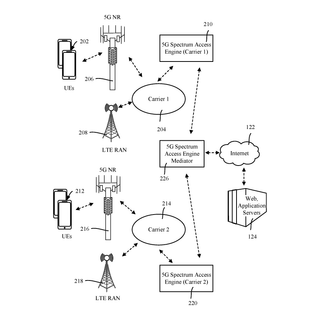
This invention describes a system that helps 5G devices get the best possible wireless connection by optimizing their access to different parts of the…
US11153762B1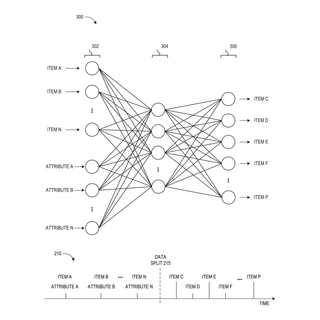
This invention describes a system that learns what items to recommend to users by studying their past interactions with an electronic catalog.
US10896459B1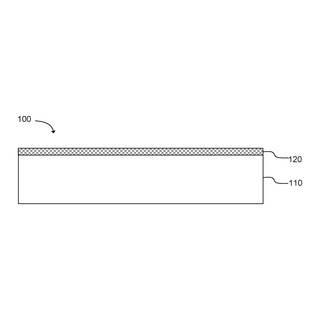
This invention describes a special coating for paper or other surfaces that helps ink stick better and look sharper when printed.
US10589559B2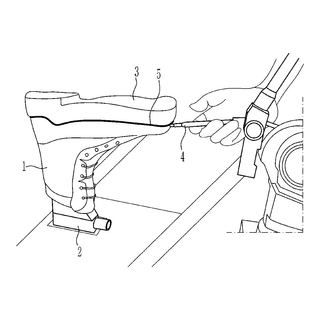
This invention describes a system to automate a step in shoemaking by recording how a person manually draws a gaging line on a shoe, which is the…
US11172734B2Statuses come from each patent's USPTO legal-event record. A lapsed patent can occasionally be reinstated, so confirm the current status before you build on one.
In all three, no one holds enforceable rights to the idea today. They got there in different ways, and that changes what you should check.
| Status | What happened | Can it come back? |
|---|---|---|
| Expired (full term) | The patent ran its full life: up to 20 years from filing for a utility patent, 15 years from grant for a recent design patent. | No. The invention is permanently in the public domain. |
| Expired (lapsed) | The patent was granted, but the owner stopped paying the maintenance fees due 3.5, 7.5 and 11.5 years after grant. | Sometimes. The owner can petition to reinstate it if the missed payment was unintentional. |
| Abandoned | The application was never granted. The applicant stopped responding to the USPTO or dropped it on purpose. | Sometimes. An abandoned application can be revived by petition, though most never are. |
Looking for applications that were never granted? Browse abandoned patents.
Four checks, about ten minutes, and you will know whether an idea is actually open.
Find the filing date. A utility patent filed more than 20 years ago has almost certainly reached the end of its term, unless it received a term adjustment for USPTO delays. The patent expiration checker does this math, and checks 2 and 3, for you.
On Google Patents, scroll to "Legal events". A line such as "lapse for failure to pay maintenance fees" means protection ended early. Fee payments with no lapse mean it may still be live.
Look the number up in USPTO Patent Center and its maintenance fee records. Watch for a later reinstatement, which would make the patent enforceable again.
An expired patent frees its own claims, not every improvement built on it since. Search for recent patents in the same space before you sell a product.
An expired patent is public prior art, so the original idea can never be patented again. A new, non-obvious improvement can. That is where AutoInvent comes in.
Browse expired and abandoned patents in plain English, filtered to the fields you know.
Get modern improvement directions, then check how original your version is against existing patents.
Lock in your filing date with a USPTO-ready provisional patent application, no lawyer required.