
Turn abandoned patents
into your own filing
into your own filing
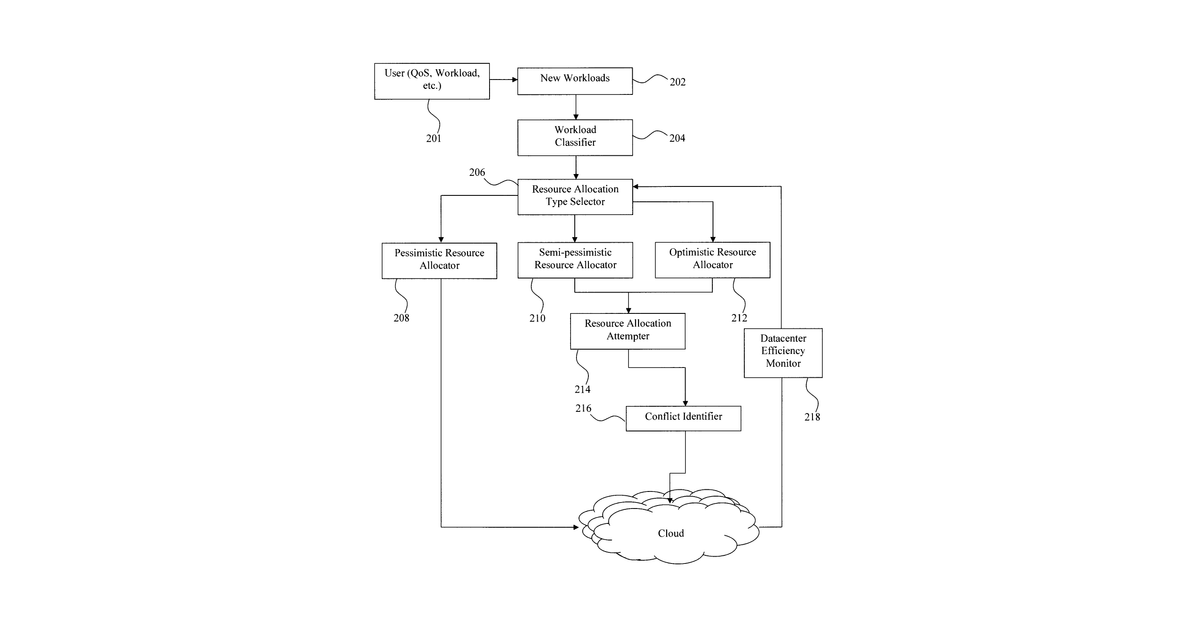
This invention describes a smart way to manage computing power in large data centers, like those used for cloud services. It uses several specialized managers working at the same time, each automatically picking the best strategy for giving out resources based on what tasks need to be done, who needs them, and how busy the data center is. Some managers might quickly assign resources, assuming everything will be fine (optimistic), while others might reserve resources carefully beforehand (pessimistic). If the quick assignments cause problems, the invention also includes ways to fix those conflicts. The claims specifically mention that the pessimistic method involves blocking resources, and the optimistic method does not.
Why it matters: Filed before container orchestration platforms like Kubernetes became dominant, the infrastructure for implementing custom, adaptive schedulers is now far more mature. The increasing diversity and complexity of cloud-native workloads, including AI/ML, make dynamic, multi-strategy resource allocation and conflict resolution more critical for efficiency and performance.
AI gives you a few directions you could take this. Pick one, and we check whether your version is different enough to patent, then write the filing.
Reinvent this with AI


