
Turn abandoned patents
into your own filing
into your own filing
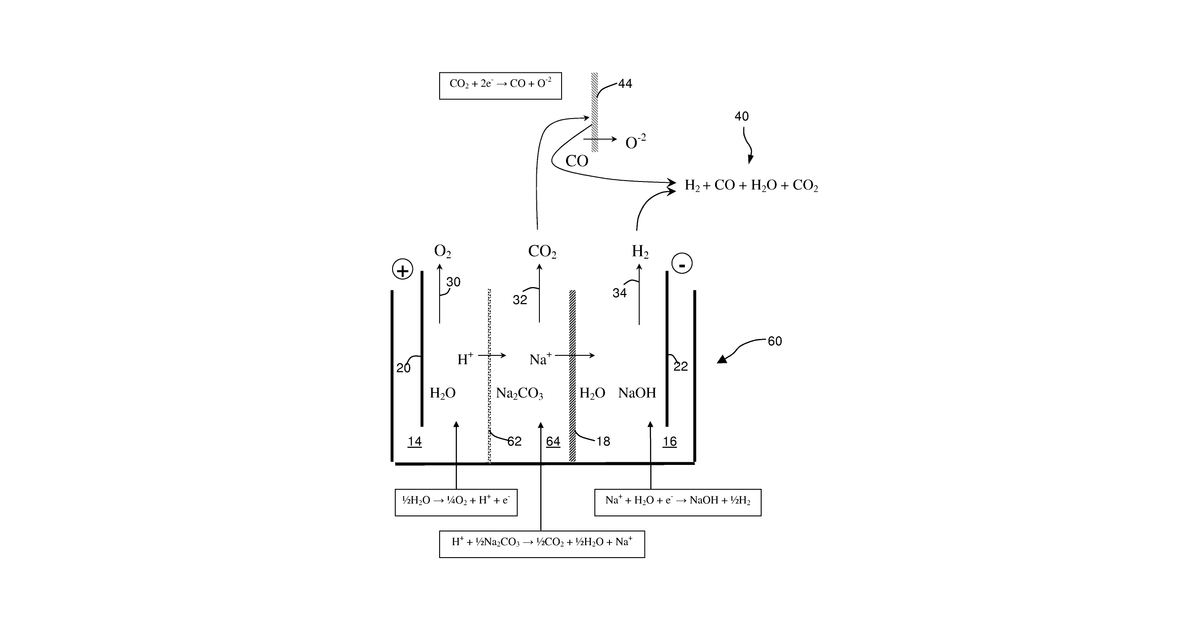
This invention describes a method to create synthesis gas, a building block for liquid fuels, by taking carbon dioxide from the air or other sources and water. It uses a special electrochemical cell where water is split at one end, and hydrogen ions are moved through a membrane to react with sodium carbonate, ultimately producing synthesis gas. The process is designed to recycle chemicals like sodium carbonate and sodium hydroxide within the system.
Why it matters: Since 2011, the urgency for carbon capture and utilization (CCU) has dramatically increased, driving significant advancements in direct air capture (DAC) and electrochemical conversion technologies. This invention's focus on producing synthesis gas from atmospheric CO2 and water via an electrochemical process is now highly aligned with global efforts to decarbonize and create sustainable fuels.
AI gives you a few directions you could take this. Pick one, and we check whether your version is different enough to patent, then write the filing.
Reinvent this with AI


