
Turn abandoned patents
into your own filing
into your own filing
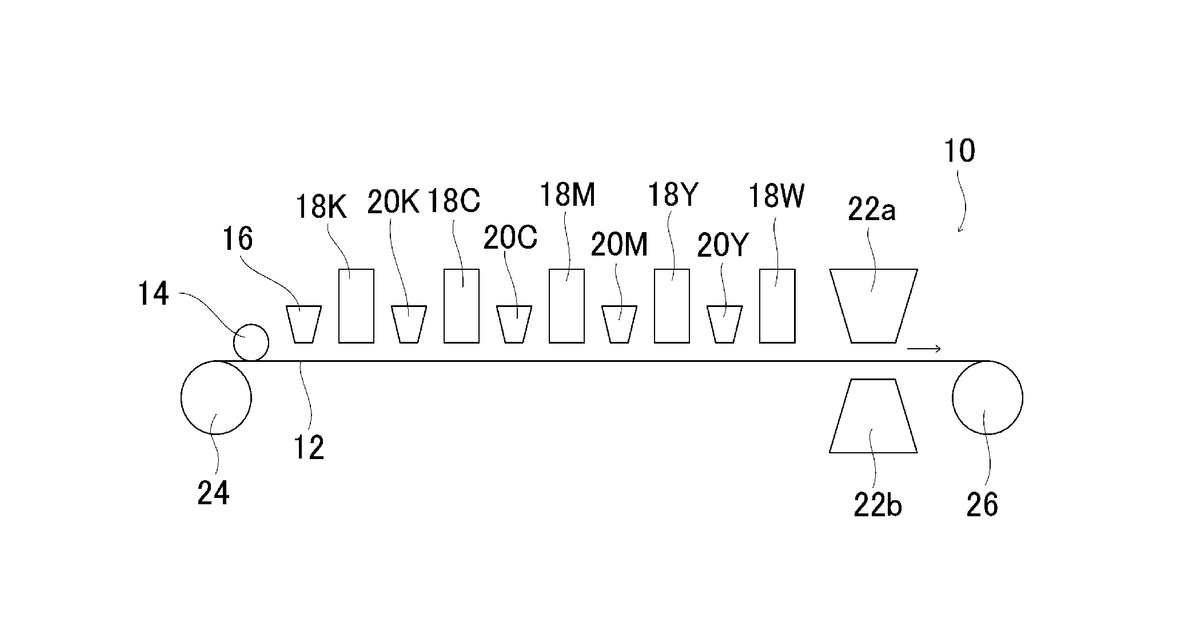
This invention describes a method for printing durable images on transparent materials using an inkjet printer. It involves applying a special undercoat liquid containing at least two types of polymerization initiators, partially hardening it with light, then printing the image with a specific ink, and finally fully hardening both the undercoat and ink together using light from both sides in a low-oxygen environment. The light used for the initial partial hardening must be a different wavelength than the light used for the final full hardening.
Why it matters: Since 2014, significant advancements in UV LED curing technology have made precise wavelength control and efficient dual-sided curing more practical and energy-efficient. This directly addresses the patent's requirement for different exposure wavelengths and low-oxygen curing conditions.
AI gives you a few directions you could take this. Pick one, and we check whether your version is different enough to patent, then write the filing.
Reinvent this with AI


