
Turn abandoned patents
into your own filing
into your own filing
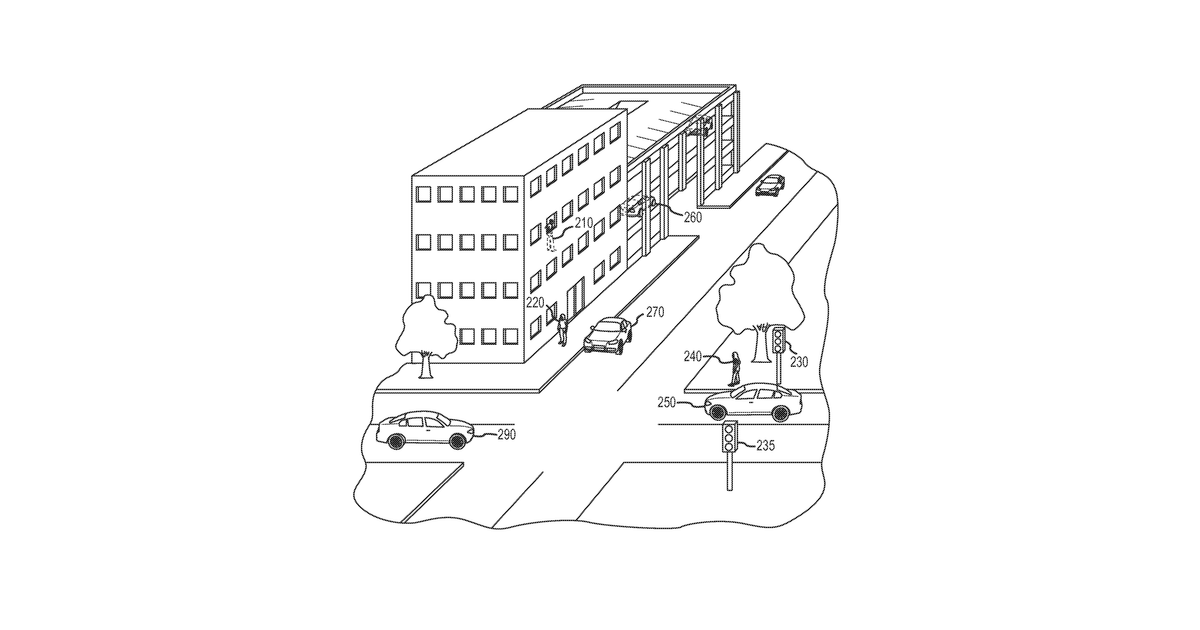
This invention describes a way for individual objects, like robots or drones, to avoid crashing into each other or getting in each other's way. Each object senses its surroundings and other nearby objects, shares information about what it's doing, and then figures out if there's a potential problem. If a problem is likely, the object changes its own plan or path to prevent the conflict. The claims narrow this to a method performed by a single object, where it identifies other objects, receives their status, builds a mental map of its surroundings, and then changes its own actions to avoid issues.
Why it matters: Filed before the widespread adoption and advancement of AI and machine learning for real-time decision-making in autonomous systems. Today's more powerful edge computing and sophisticated AI algorithms make the 'behavioral determination' and 'probabilistic conflict resolution' aspects far more practical and robust.
AI gives you a few directions you could take this. Pick one, and we check whether your version is different enough to patent, then write the filing.
Reinvent this with AI


