
Turn abandoned patents
into your own filing
into your own filing
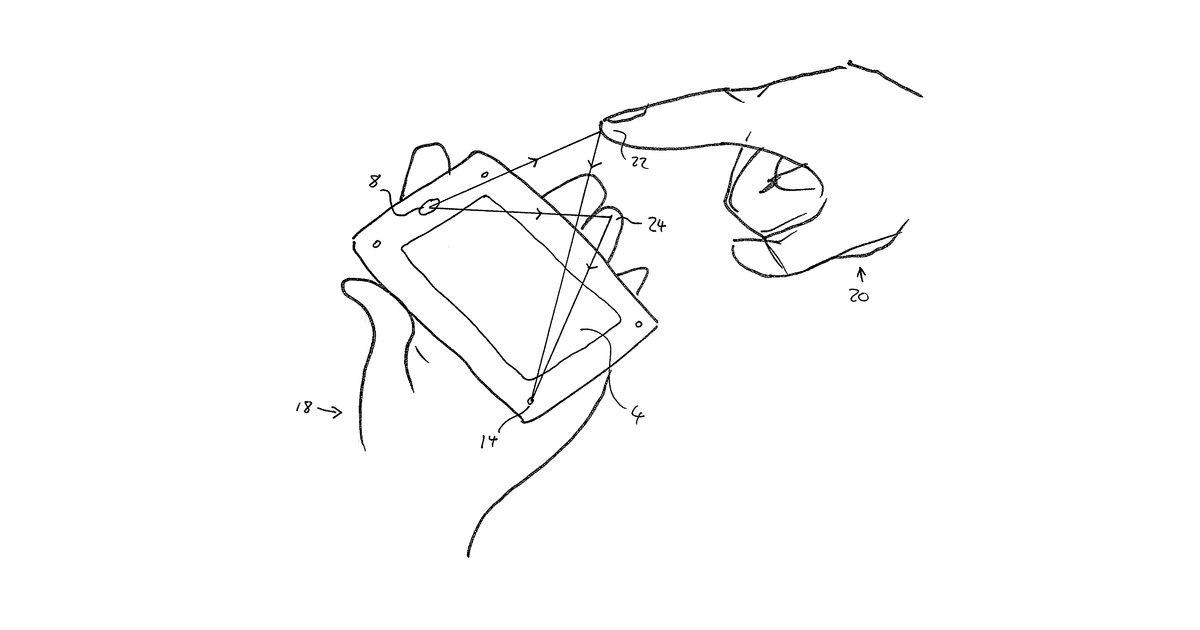
This invention uses sound waves from a single device to track an object's movement. It sends out acoustic signals through two different paths, which share either a transmitter or a receiver, or have distinct components. By comparing the timing of the echoes received across these two paths, it can determine how the object is moving.
Why it matters: The processing power required for acoustic signal comparison and motion characterization was more specialized in 2010. Today, general-purpose embedded processors and mobile devices offer the necessary computational capabilities at a fraction of the cost and size.
AI gives you a few directions you could take this. Pick one, and we check whether your version is different enough to patent, then write the filing.
Reinvent this with AI


