
Turn abandoned patents
into your own filing
into your own filing
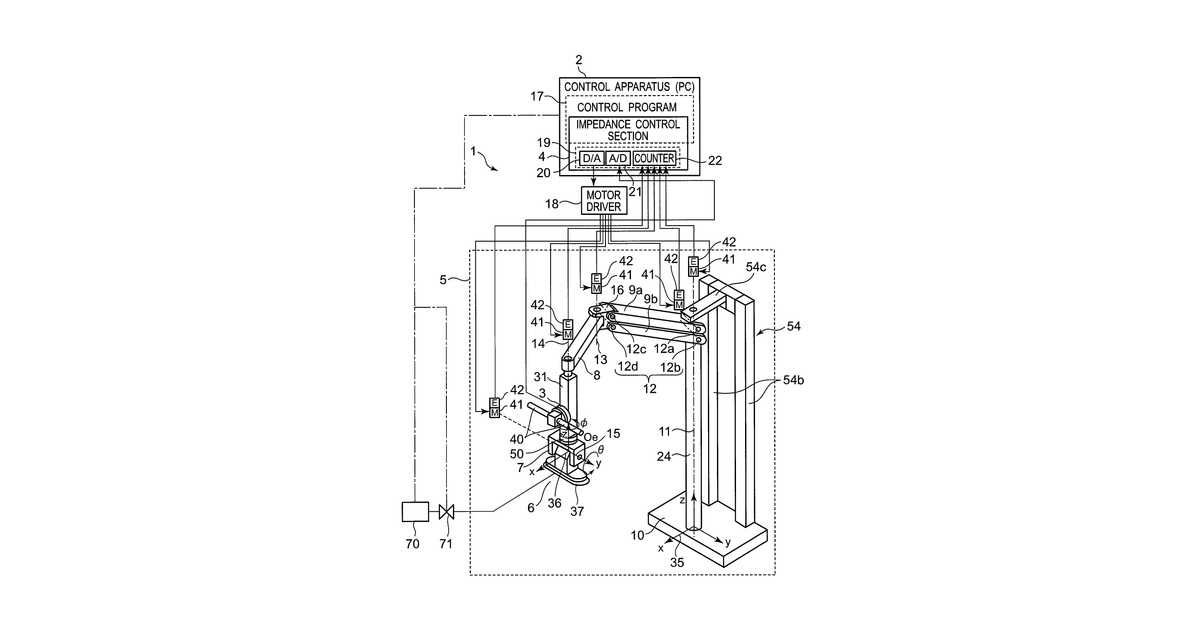
This invention describes a control system for a multi-joint robot arm that a person can guide. It senses both the force a person applies to the arm and the friction an object held by the arm experiences when touching its surroundings. The system then adjusts the robot's assistive force, specifically correcting any sideways push, based on the detected friction.
Why it matters: Filed before the widespread adoption of collaborative robots and significant advancements in affordable, precise force sensors. These developments make implementing nuanced human-robot interaction and friction compensation more practical and robust now.
AI gives you a few directions you could take this. Pick one, and we check whether your version is different enough to patent, then write the filing.
Reinvent this with AI


