
Turn abandoned patents
into your own filing
into your own filing
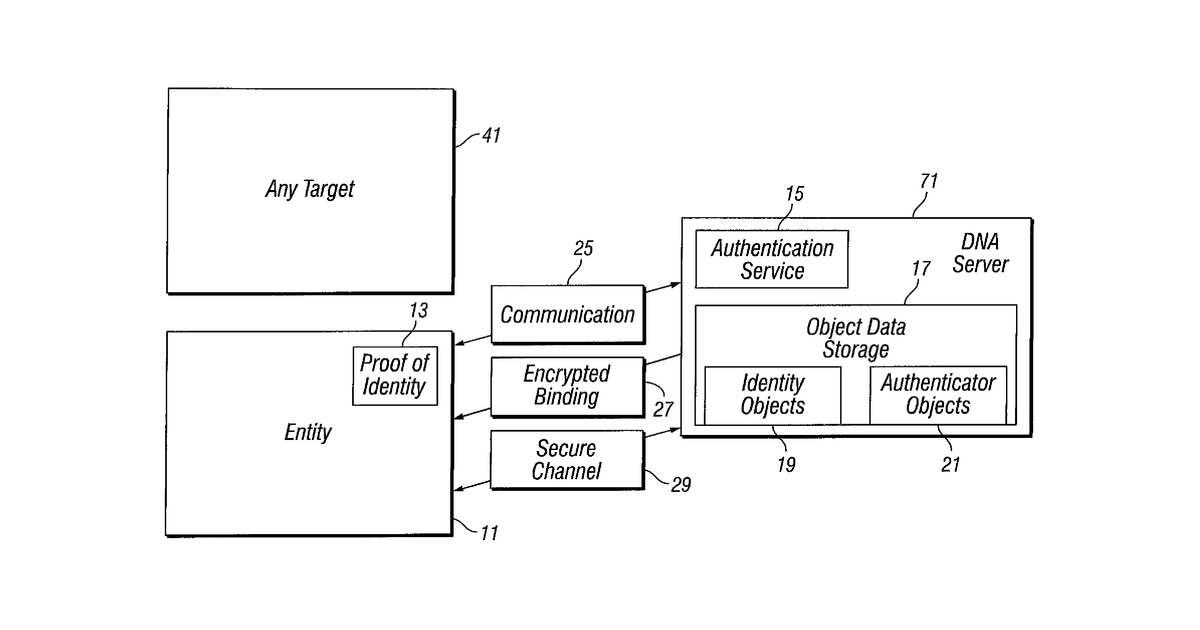
This invention describes a software system for securing large computer networks, like those used by businesses. It works by first checking who someone is using any standard method, then assigning a "trust level" to that verification process itself. Crucially, it separates the act of proving identity from the act of granting access, allowing access permissions to be dynamically adjusted based on how much the system trusts the initial identity check.
Why it matters: Filed before Zero Trust Architecture became a dominant paradigm, this system's core idea of separating authentication from authorization and assigning dynamic trust levels to authentication mechanisms directly aligns with modern security principles. The increased complexity of distributed cloud environments since 2013 also makes its focus on communicating trust across all entities more relevant.
AI gives you a few directions you could take this. Pick one, and we check whether your version is different enough to patent, then write the filing.
Reinvent this with AI


