
Turn abandoned patents
into your own filing
into your own filing
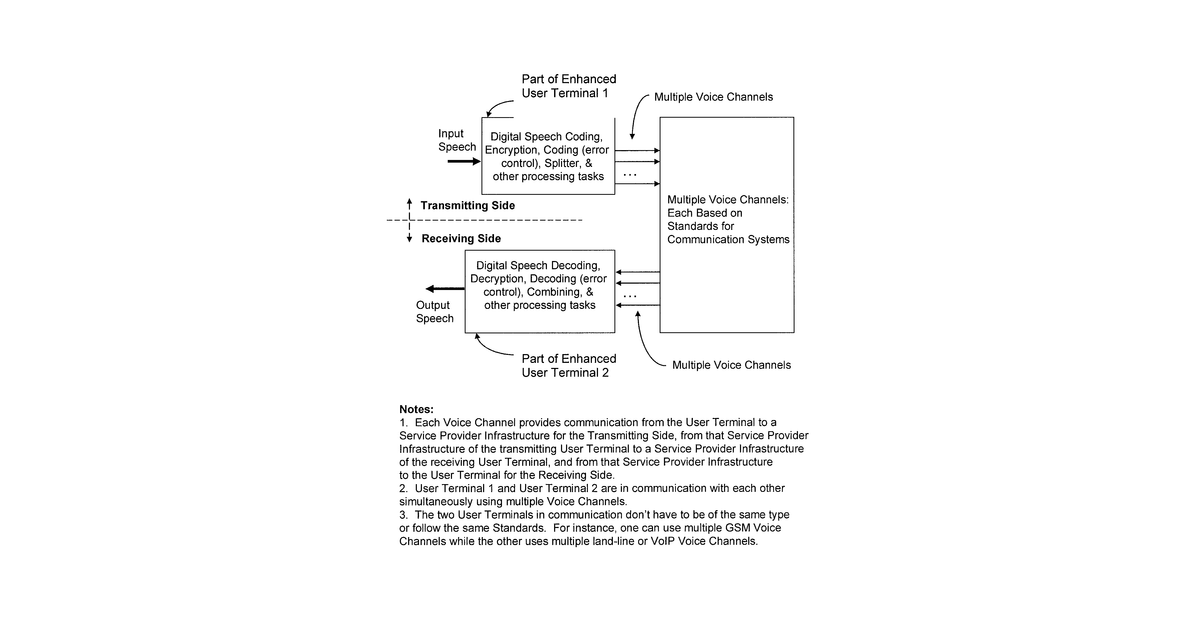
This invention describes a way for devices to communicate more efficiently, especially when network conditions or device capabilities vary. A receiving device first tells the sender how many data streams it can handle simultaneously. The sender then picks a suitable version of the data, like a lower-resolution video or a different audio format, and breaks it into multiple streams to send over the available connections. The receiver then reassembles these streams.
Why it matters: Filed before the widespread adoption of high-definition mobile video streaming and diverse IoT devices. Modern cloud infrastructure and advanced video codecs now make dynamic, real-time content adaptation and delivery across highly variable network conditions far more efficient and scalable than in 2008.
AI gives you a few directions you could take this. Pick one, and we check whether your version is different enough to patent, then write the filing.
Reinvent this with AI


