
Turn abandoned patents
into your own filing
into your own filing
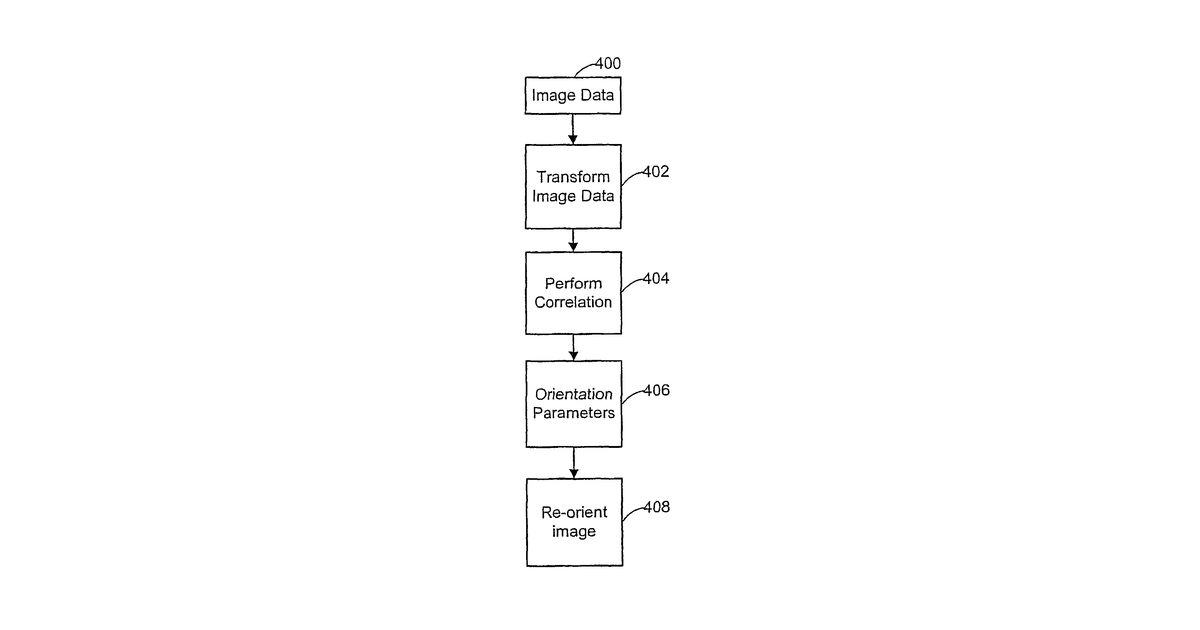
This invention describes an access control system that uses an optical sensor to scan an object. The object has invisible, machine-readable information, like a digital watermark, which includes an identifier and a specific sequence of orientations. An electronic processor reads this sequence and compares it to a stored, expected sequence to determine whether to grant access.
Why it matters: Filed before the widespread availability of high-resolution, low-cost optical sensors and powerful embedded processors. Modern computer vision and digital watermarking algorithms can now efficiently detect and interpret complex orientation sequences from objects in real-time, making this approach more practical.
AI gives you a few directions you could take this. Pick one, and we check whether your version is different enough to patent, then write the filing.
Reinvent this with AI


