
Turn abandoned patents
into your own filing
into your own filing
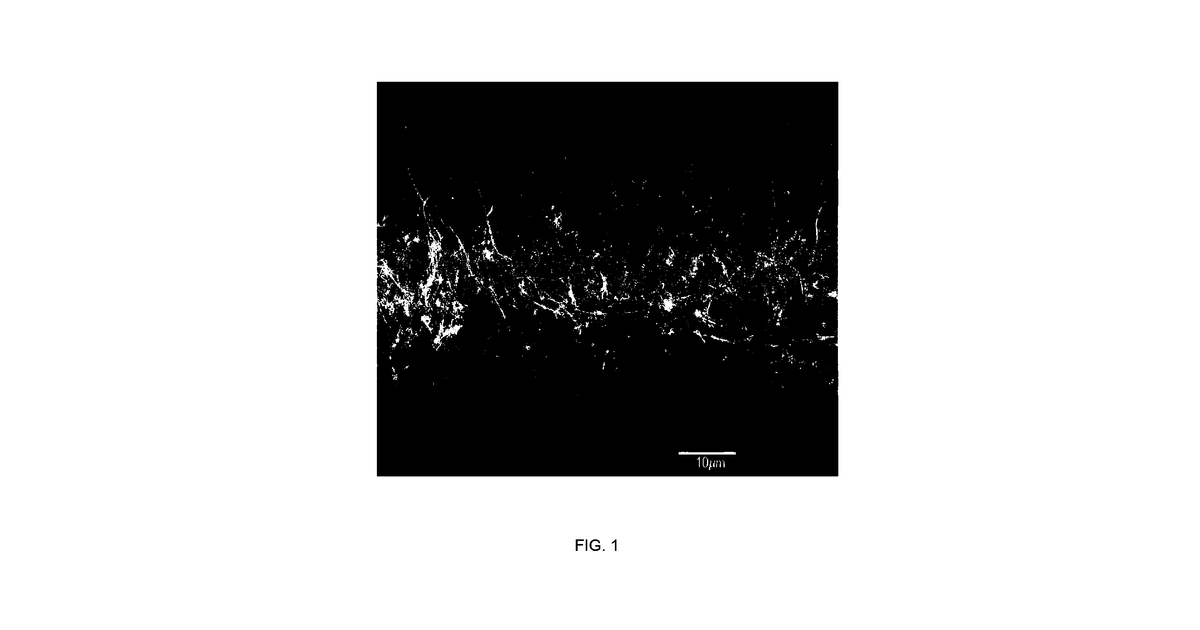
This describes medical devices with extremely tiny, hair-like or tube-like structures on their surfaces. These nanostructures are designed to help the device release a specific substance into a patient's body once it's inserted. The device itself can be a small sphere, and the nanostructures can be made from materials like silicon, glass, or various metals.
Why it matters: Filed when nanofabrication was less mature, manufacturing techniques for nanofibers and nanotubes have significantly advanced since 2007. This allows for more precise control over surface properties and drug release kinetics, making integration into medical devices more feasible and effective.
AI gives you a few directions you could take this. Pick one, and we check whether your version is different enough to patent, then write the filing.
Reinvent this with AI


