
Turn abandoned patents
into your own filing
into your own filing
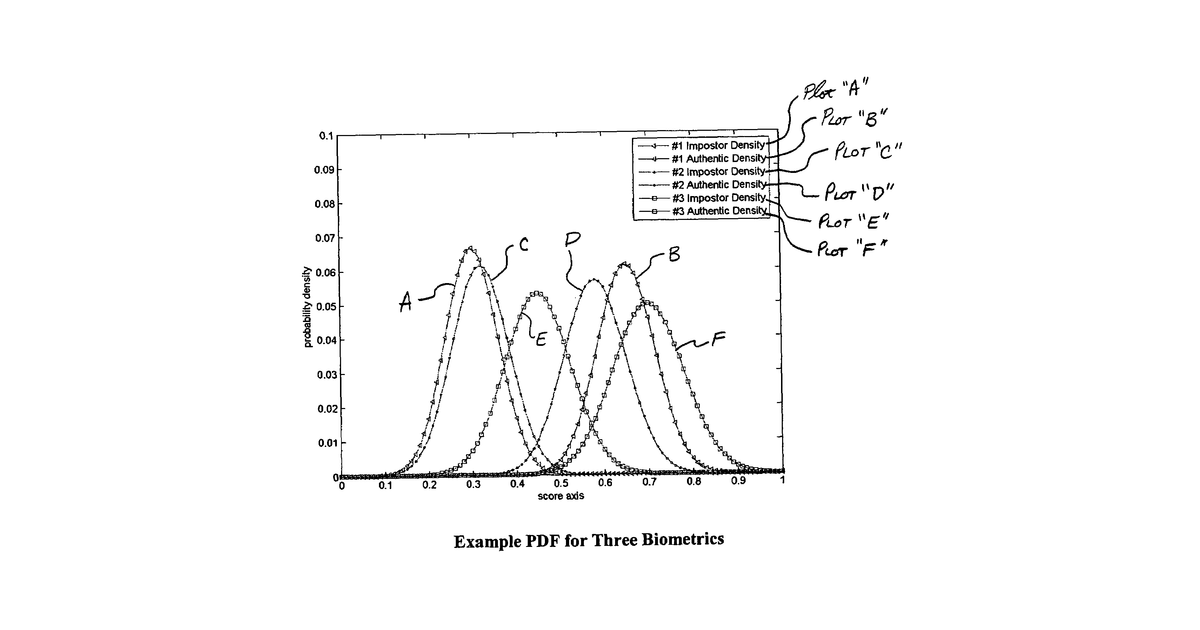
This invention describes a method for determining if a collection of data, which combines information from at least two different sources about various items, is reliable enough to make a decision. It works by creating probability maps for the data and identifying a "no-match zone" to calculate how often it incorrectly accepts or rejects data. These error rates are then compared to desired levels to decide if the data set is good enough to use.
Why it matters: Filed before the widespread adoption of advanced machine learning and deep learning techniques, which have since dramatically improved the accuracy and efficiency of multimodal data fusion and probabilistic decision-making systems. Modern computational power and data availability make implementing and scaling such complex logic significantly more feasible than in 2005.
AI gives you a few directions you could take this. Pick one, and we check whether your version is different enough to patent, then write the filing.
Reinvent this with AI


