
Turn abandoned patents
into your own filing
into your own filing
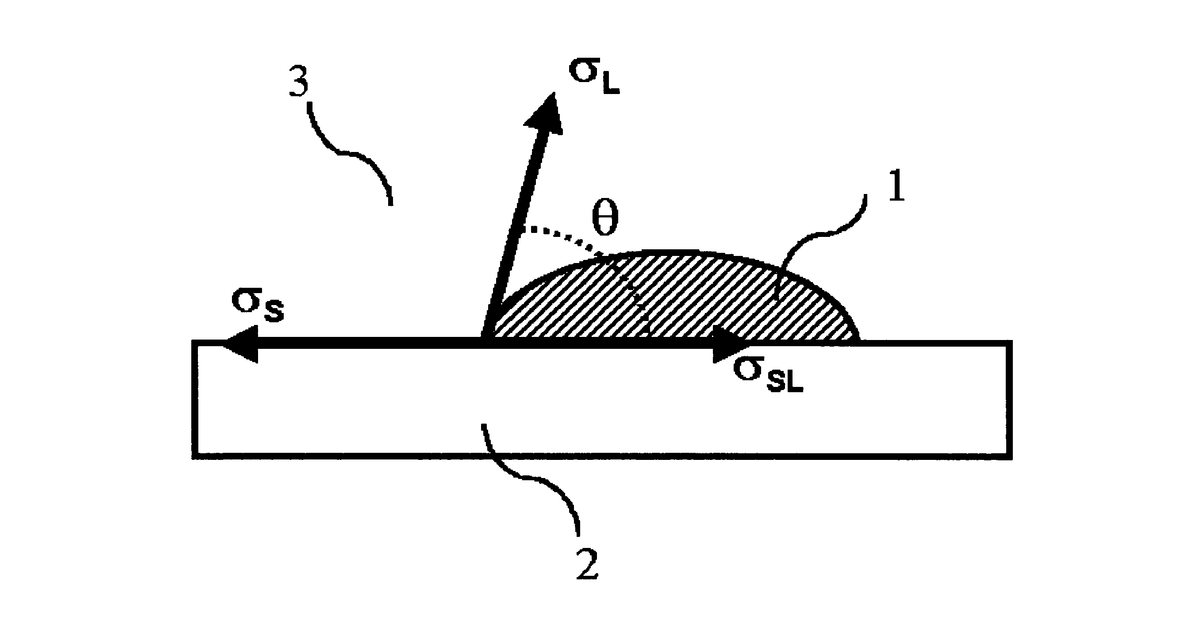
This invention describes an inkjet printing system designed for printing on surfaces that don't absorb ink, such as plastics or metals. It works by precisely controlling the relationship between the ink and the printing surface: the surface's dispersive energy must be slightly higher than the ink's, with a ratio greater than 0.9, and ideally above 1.2. This specific matching ensures that ink drops spread optimally for high-quality images and vibrant colors, especially when using inks that can be quickly cured.
Why it matters: Filed before widespread adoption of high-speed LED-UV curing and advanced industrial inkjet systems. The ability to precisely control ink and substrate surface energies for high-throughput printing on non-absorbent materials is now more feasible and in demand.
AI gives you a few directions you could take this. Pick one, and we check whether your version is different enough to patent, then write the filing.
Reinvent this with AI


