
Turn abandoned patents
into your own filing
into your own filing
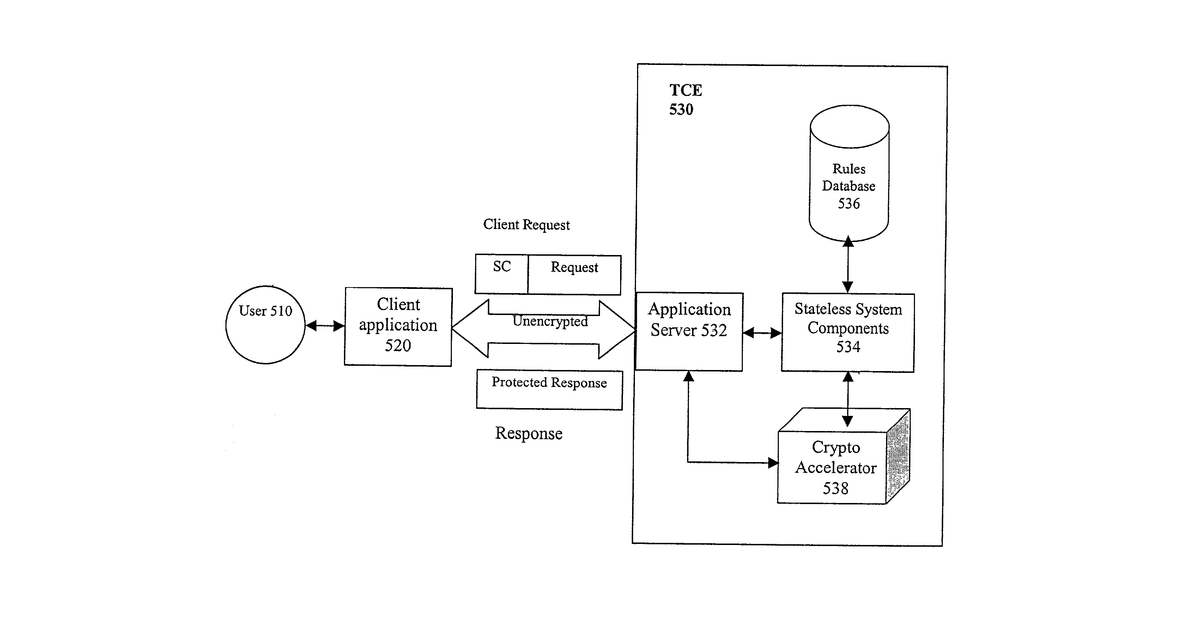
This invention describes a way for users to log in once and then access multiple online resources without re-entering their credentials. After a successful login, the system creates a special digital pass, called a security context, which contains encrypted user information and access details. This pass is given to the user and presented to the system for subsequent access requests, allowing the user to move between different parts of the system seamlessly. The claims specify this pass includes an encrypted body with details like user ID, access permissions, and an expiration time, all digitally signed by the system.
Why it matters: Filed before the widespread adoption of cloud computing and microservices architectures, which heavily rely on state-less authentication. The core concept of using a signed, self-contained security context to avoid repeated logins is now a foundational pattern, exemplified by technologies like JSON Web Tokens (JWTs) and OAuth, which became prevalent years after this filing.
AI gives you a few directions you could take this. Pick one, and we check whether your version is different enough to patent, then write the filing.
Reinvent this with AI


