
Turn abandoned patents
into your own filing
into your own filing
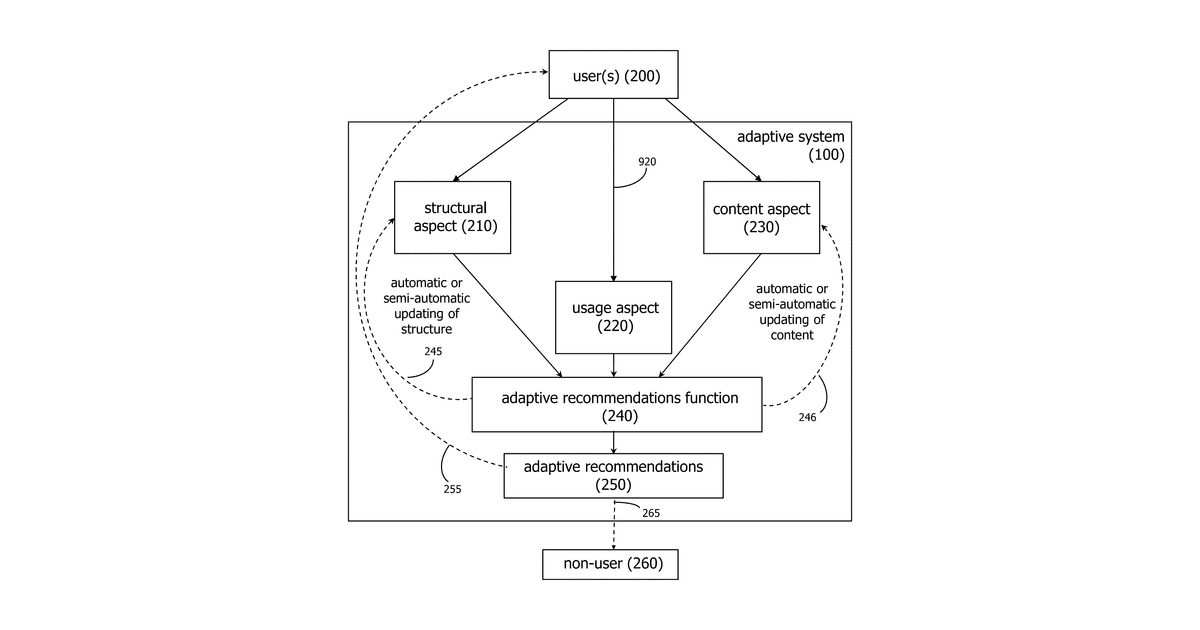
This invention describes a computer system designed to check if information generated by artificial intelligence (AI) is true and makes sense. It works by training special AI programs (neural networks) on vast amounts of data, including specific 'chains' of information that are known to be objectively true. After training, the system uses a special algorithm to evaluate the AI's output, looking at things like how facts influence conclusions, checking probabilities, and comparing different explanations. The system then gives scores on the quality of the AI's explanations and how likely its statements are to be factually correct. The claims specify using hardware configured for 'cognitive computing' and training data that explicitly represents 'objective reality'.
Why it matters: The core challenge of reliably defining and acquiring training data that represents 'objective reality' for AI evaluation, as specified in the claims, remains a significant hurdle. The problem of AI 'hallucinations' and ensuring factual accuracy in generative AI outputs has only intensified, making the need for such evaluation systems more critical.
AI gives you a few directions you could take this. Pick one, and we check whether your version is different enough to patent, then write the filing.
Reinvent this with AI


