
Turn abandoned patents
into your own filing
into your own filing
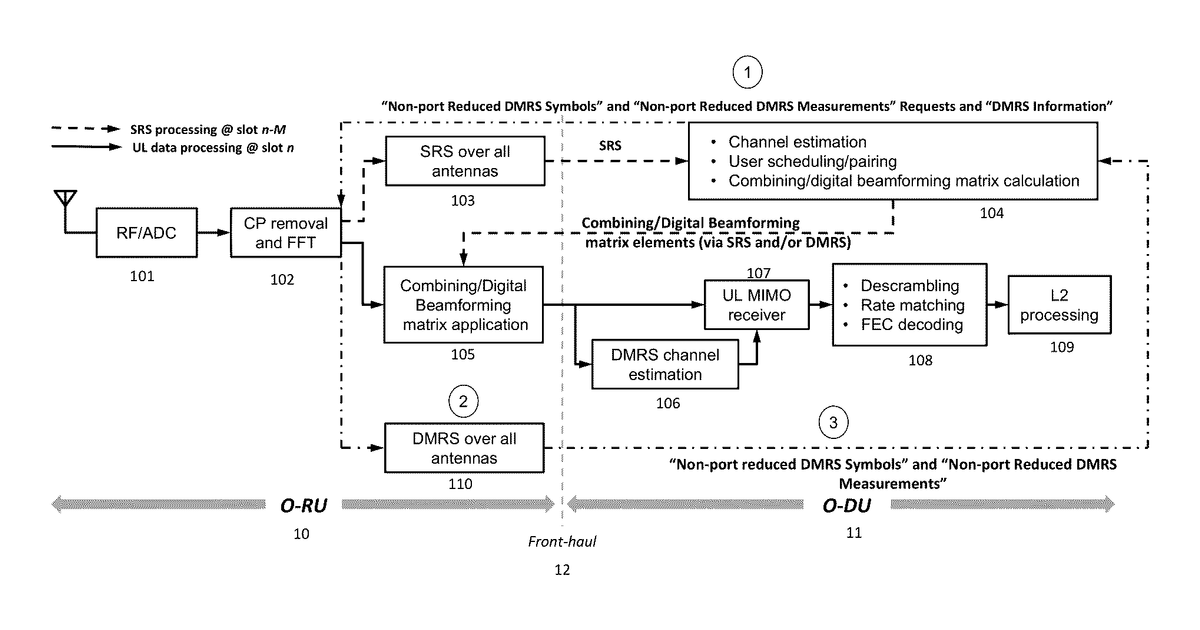
This invention improves how mobile devices send data back to the network in advanced 5G systems, specifically those using an open architecture called O-RAN. It works by having the network's radio part (RU) gather more detailed, raw signal information from multiple antennas, especially when a user is moving fast or there's a lot of interference. This raw data helps the network's central processing part (DU) make better decisions about how to combine and focus signals, aiming for more energy-efficient and bandwidth-efficient communication, with the ability to dynamically switch this detailed data collection on and off.
Why it matters: Since its 2024 filing, the O-RAN ecosystem has continued to mature, potentially offering more robust frameworks or clearer pathways for standardizing the detailed RU-DU data exchange required for this optimization.
AI gives you a few directions you could take this. Pick one, and we check whether your version is different enough to patent, then write the filing.
Reinvent this with AI


