
Turn abandoned patents
into your own filing
into your own filing
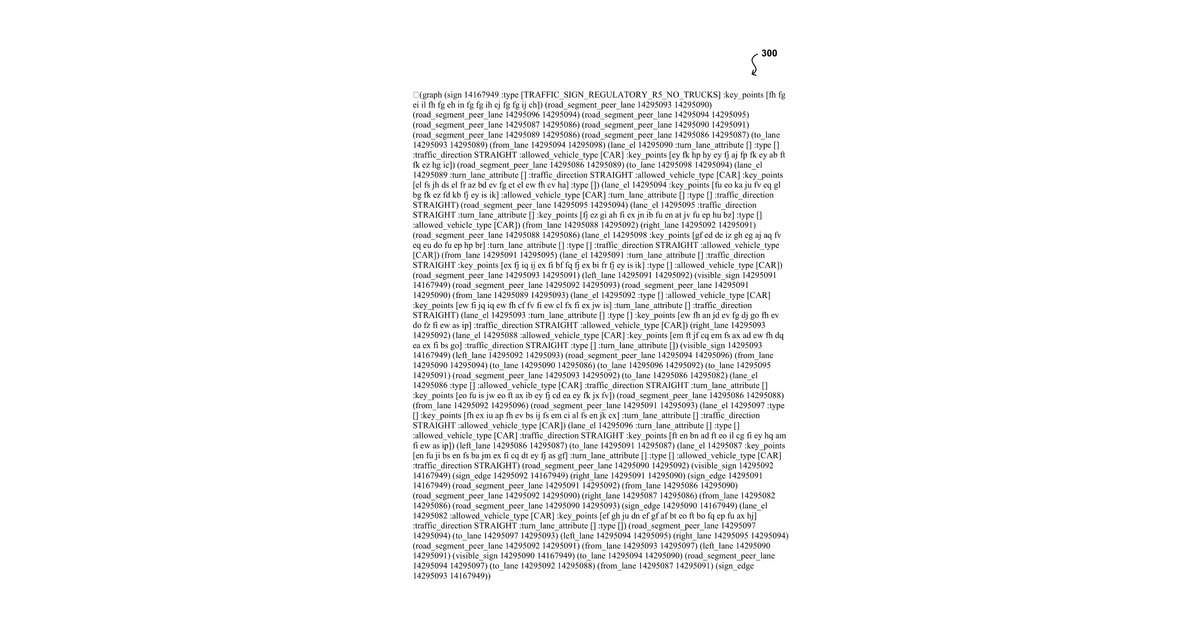
This invention describes a way for a computer to use a large language model to create a detailed text description of a real-world place or scene. This description is built from various kinds of input data, like sensor readings or existing maps, and captures the layout, objects, and relationships within that environment. The resulting text can then be used to reconstruct, improve, or even generate new, realistic virtual versions of these places.
Why it matters: When filed in 2023, large language models were still developing their ability to robustly interpret and synthesize complex real-world environmental data. By 2026, LLMs have significantly improved in their capacity for semantic understanding, spatial reasoning, and generating coherent, rule-compliant descriptions from diverse inputs, making the claimed method more practical and effective.
AI gives you a few directions you could take this. Pick one, and we check whether your version is different enough to patent, then write the filing.
Reinvent this with AI


