
Turn abandoned patents
into your own filing
into your own filing
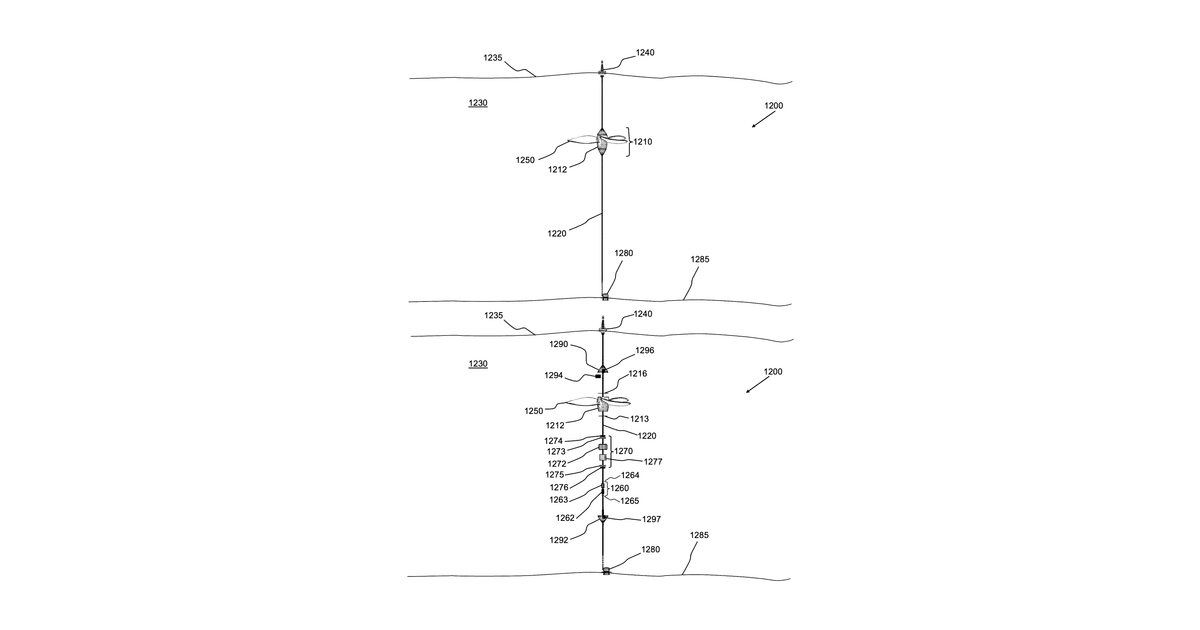
This device generates electricity by using the movement of a fluid (like water or air) to spin two internal parts relative to each other. As the device descends or ascends through the fluid, structures on one part catch the flow, causing the rotation that powers an electrical generator. The claims specifically describe a design where one body is concentric with and passes through the other.
Why it matters: The device relies on fluid dynamics and direct-drive generation. Advances in computational fluid dynamics (CFD) since 2023 could significantly optimize the 'force input structures' for efficiency, and compact, high-efficiency direct-drive generators have become more accessible.
AI gives you a few directions you could take this. Pick one, and we check whether your version is different enough to patent, then write the filing.
Reinvent this with AI


