
Turn abandoned patents
into your own filing
into your own filing
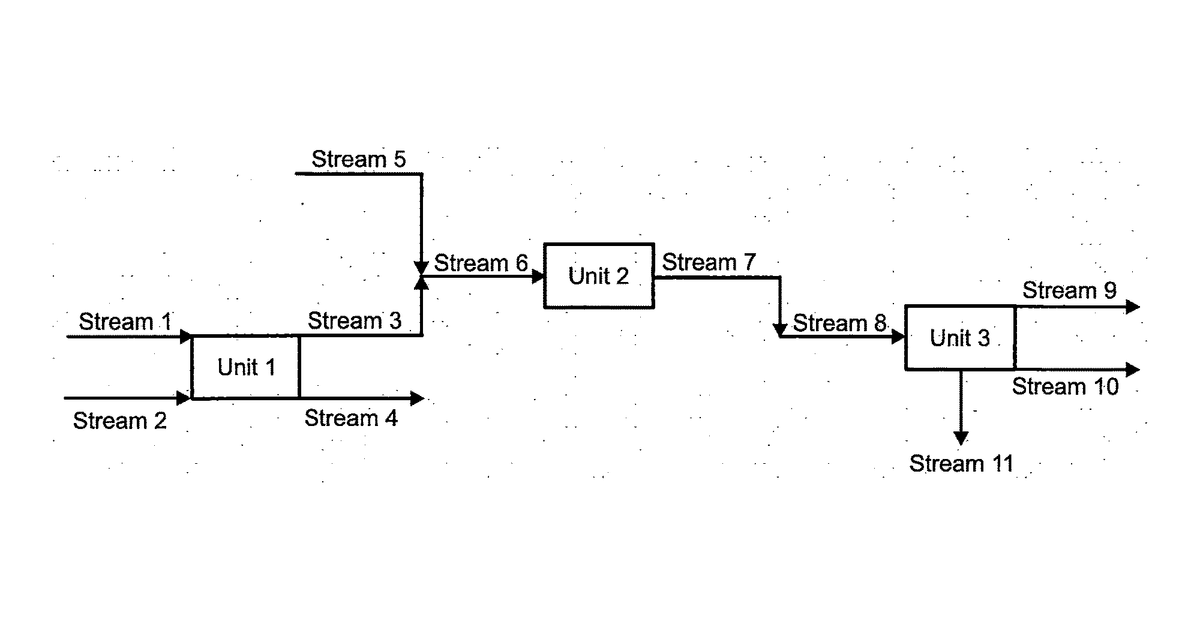
This process converts carbon dioxide and hydrogen into liquid fuels, such as gasoline or diesel. It works by combining CO2 with hydrogen, which must be produced from water using renewable electricity, and feeding them into a single reactor containing two different catalysts. The reaction yields C5+ hydrocarbons, water, and other gases, which can then be separated.
Why it matters: Since 2023, advancements in renewable hydrogen production via electrolysis have continued to lower costs and improve scalability. Concurrently, catalyst research, particularly for CO2 hydrogenation using materials like spinels, copper, and iron, may have yielded more efficient formulations.
AI gives you a few directions you could take this. Pick one, and we check whether your version is different enough to patent, then write the filing.
Reinvent this with AI


