
Turn abandoned patents
into your own filing
into your own filing
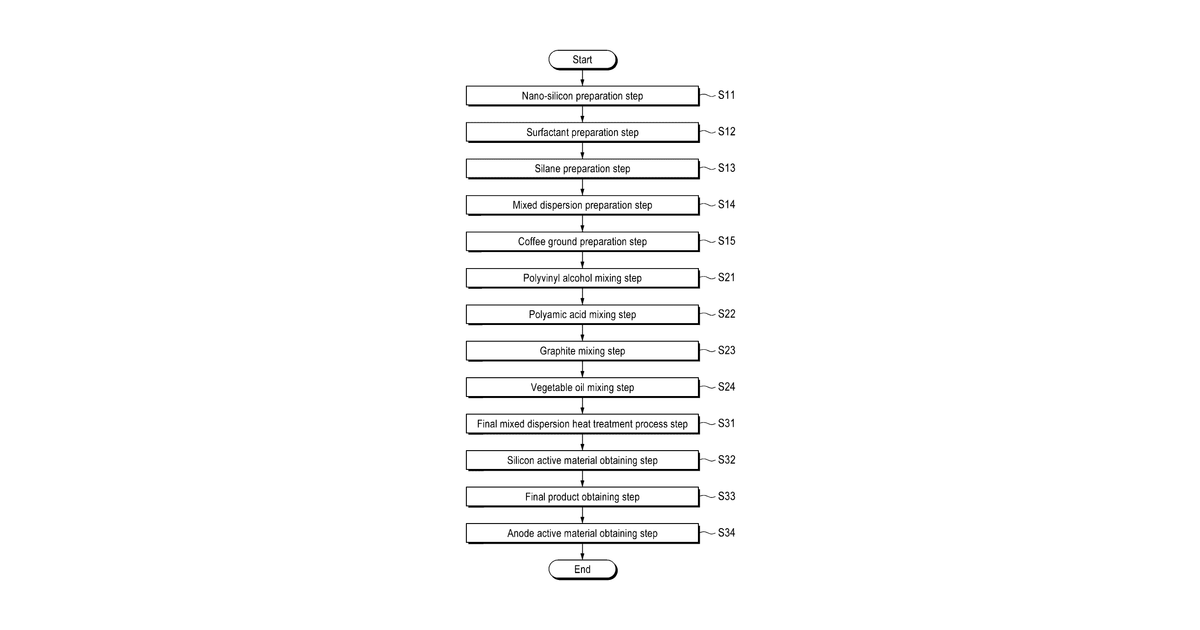
This invention describes a method to create a high-capacity anode material for lithium-ion batteries using waste coffee grounds. It works by preparing nano-silicon, then mixing it with various chemicals and the coffee grounds through several dispersion and heat treatment steps. The goal is to insert the nano-silicon mixture into the pores of the coffee grounds, creating a battery material that is both high-performing and environmentally friendly.
Why it matters: Filed only three years ago, the core challenges of scaling this complex, multi-step chemical process with specialized equipment, and ensuring consistent performance from a biomass like coffee grounds, likely remain. The abandonment suggests that the technical and economic hurdles outweighed the environmental and cost-saving benefits at that time.
AI gives you a few directions you could take this. Pick one, and we check whether your version is different enough to patent, then write the filing.
Reinvent this with AI


