
Turn abandoned patents
into your own filing
into your own filing
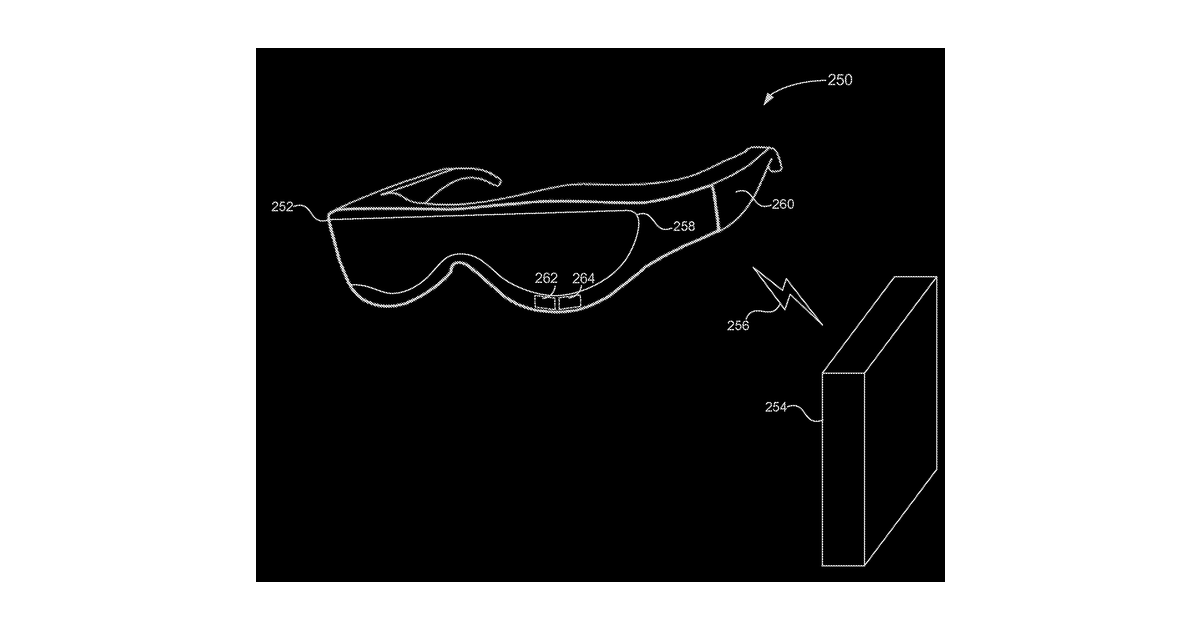
An artificial reality headset uses internal sensors, sometimes with active lighting, to watch a user's eyes. It looks for physical signs like redness, dryness, or fatigue, and if detected, the headset can adjust its display settings.
Why it matters: Since 2021, advancements in AI-driven computer vision have significantly improved the ability to analyze high-resolution eye sensor data, making the detection of subtle physical eye maladies more feasible and accurate.
AI gives you a few directions you could take this. Pick one, and we check whether your version is different enough to patent, then write the filing.
Reinvent this with AI


