
Turn abandoned patents
into your own filing
into your own filing
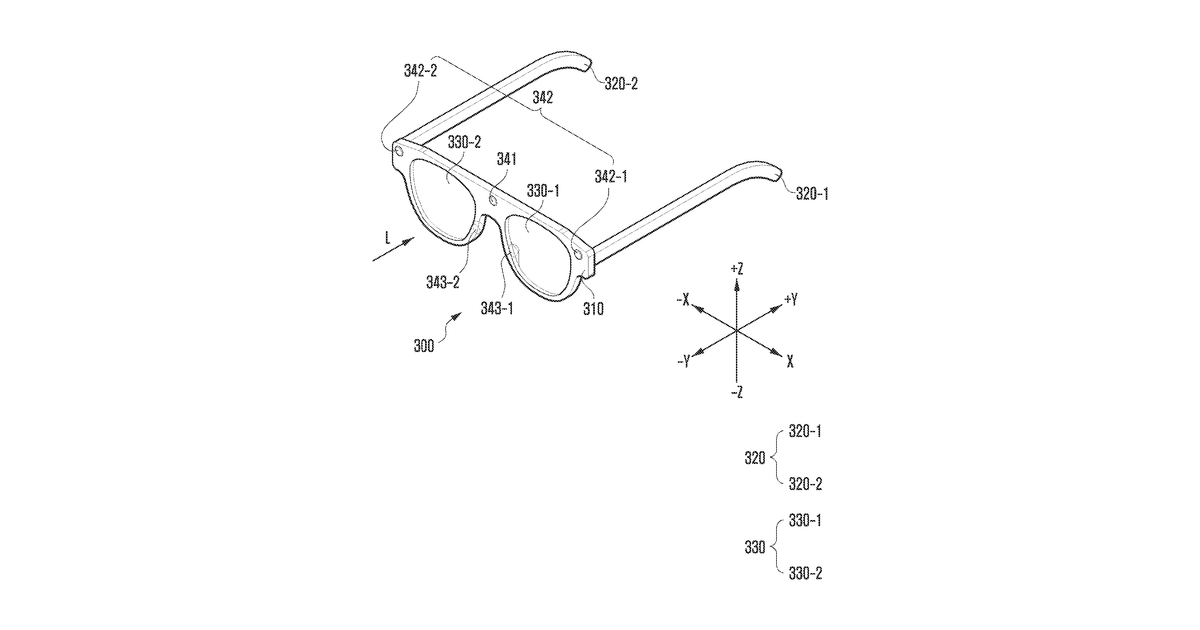
This wearable electronic device features a display and multiple cameras. It uses lower-resolution cameras on the sides to track a user's body movements and identify objects they are interested in. Once an object is identified, a higher-resolution front camera is precisely directed to capture a detailed image of that specific object.
Why it matters: Since 2022, advancements in on-device AI for computer vision and pose estimation have significantly improved the efficiency and accuracy needed for real-time object identification and camera control on wearable devices. This makes the complex processing described more feasible on compact hardware.
AI gives you a few directions you could take this. Pick one, and we check whether your version is different enough to patent, then write the filing.
Reinvent this with AI


