Turn abandoned patents
into your own filing
into your own filing
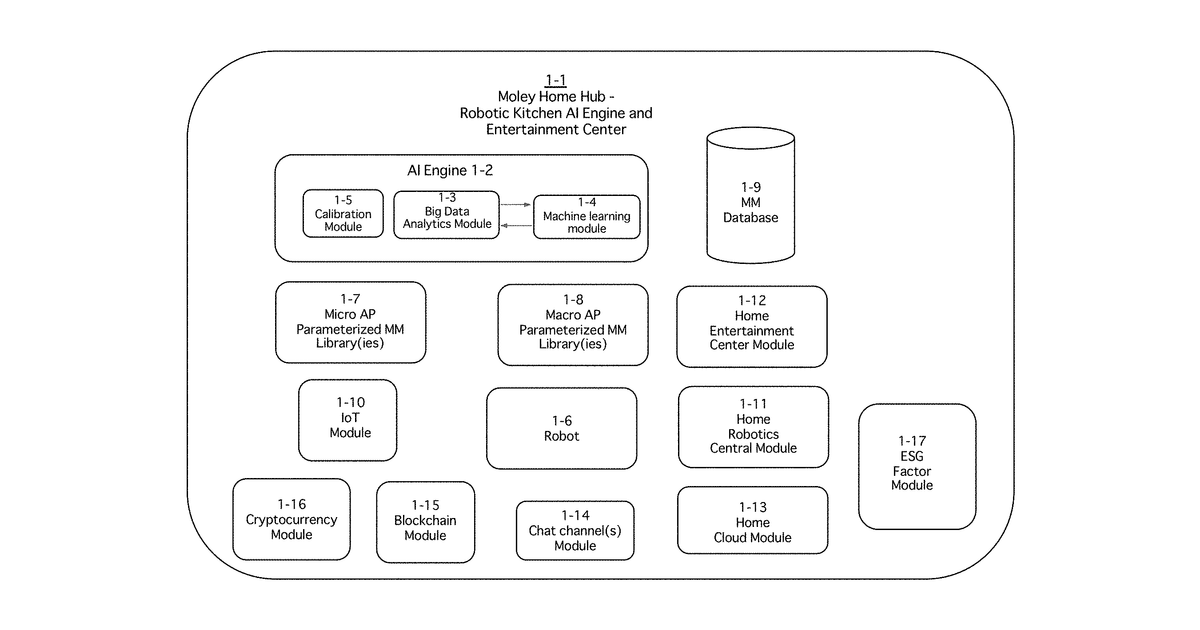
This invention describes a method for calibrating robotic kitchen systems. It works by comparing a virtual 3D model of an ideal robotic kitchen with a physical 3D model of an actual robot to identify any differences. These differences are then used to calculate precise adjustments, ensuring the robot performs accurately. The system also uses a library of small, precise movements that can be adapted for various robot models.
Why it matters: Since 2021, advancements in computer vision and machine learning have made 3D model comparison and transformation computations more robust and efficient. This could significantly enhance the accuracy and scalability of robotic kitchen calibration for mass manufacturing.
AI gives you a few directions you could take this. Pick one, and we check whether your version is different enough to patent, then write the filing.
Reinvent this with AI


