
Turn abandoned patents
into your own filing
into your own filing
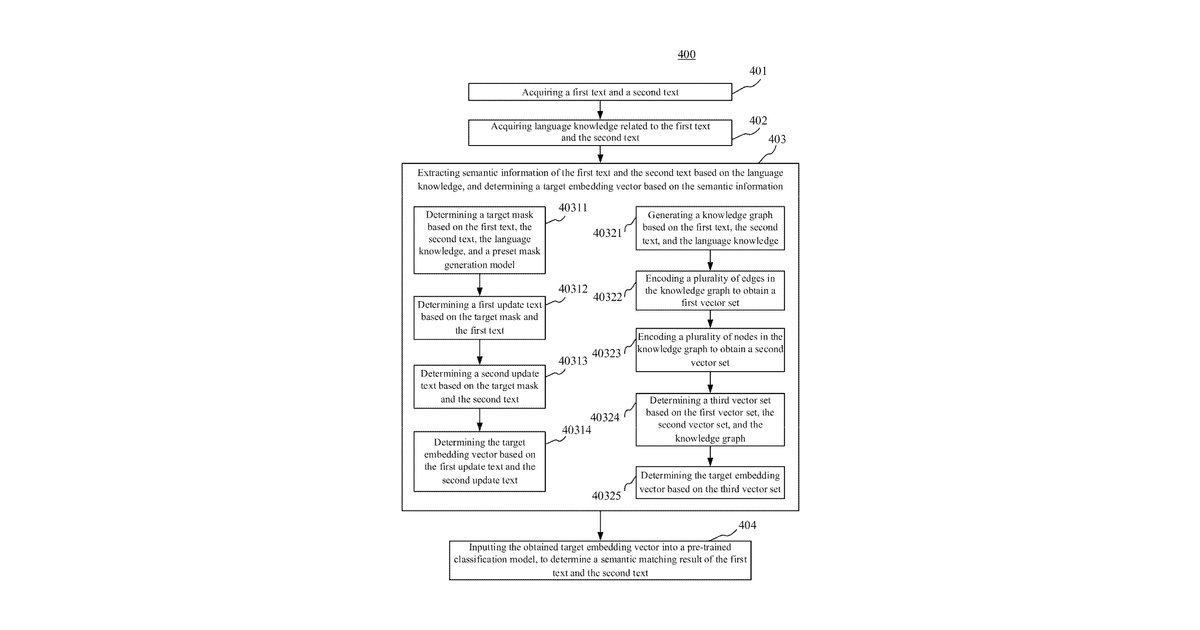
This invention describes a way to compare two pieces of text to see how similar their meanings are. It works by first gathering information about the words and concepts in both texts, then uses this information to create a unique numerical representation (an "embedding vector") for their combined meaning. Finally, it uses this numerical representation to determine how well the two texts match semantically. The claims specify that this process involves extracting semantic information from the texts based on the gathered language knowledge.
Why it matters: Filed before the widespread adoption of advanced large language models (LLMs) and transformer architectures, which have dramatically improved the accuracy and efficiency of generating semantic embedding vectors and leveraging 'language knowledge' for text understanding since 2020. What was complex to implement then is now more accessible and powerful.
AI gives you a few directions you could take this. Pick one, and we check whether your version is different enough to patent, then write the filing.
Reinvent this with AI


