
Turn abandoned patents
into your own filing
into your own filing
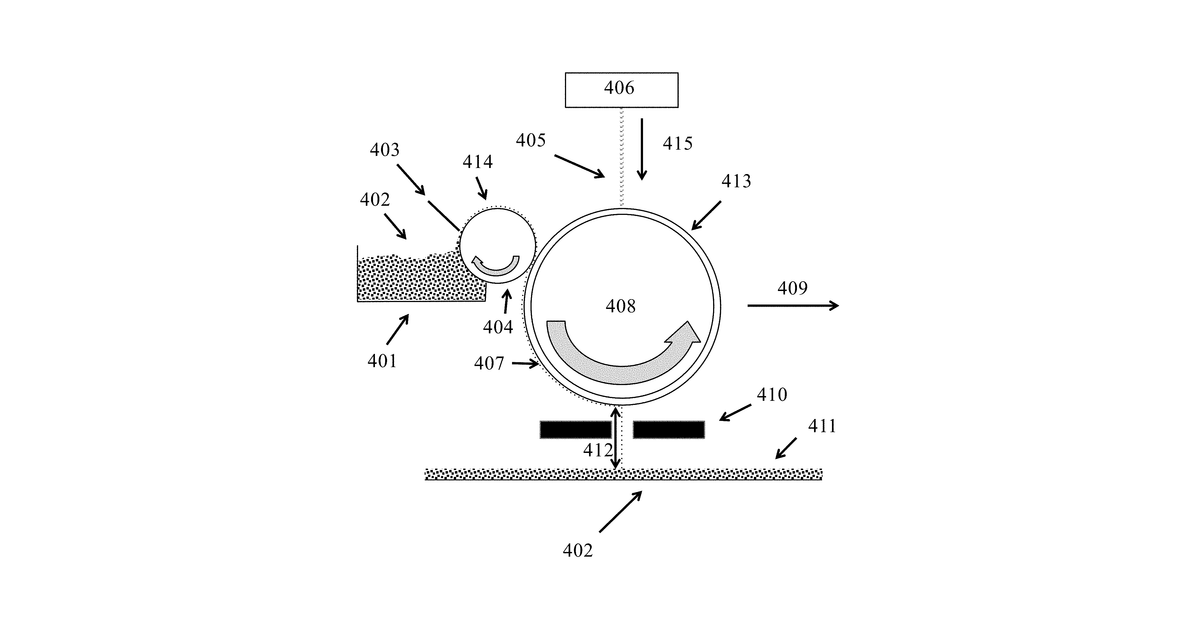
This invention describes a method for 3D printing objects by first creating a precise pattern of powder material on a curved surface. This powder is then transferred directly from the curved surface to a second surface, passing through an open air gap without any physical obstacles. This allows for the creation of three-dimensional objects with potentially complex geometries.
Why it matters: Since 2018, advancements in real-time sensing and AI-driven control systems have significantly improved the precision of powder deposition and non-contact material transfer, making the "obstacle-free atmospheric gap" more achievable. The focus on curved surfaces also aligns with growing demand for conformal electronics and complex geometries.
AI gives you a few directions you could take this. Pick one, and we check whether your version is different enough to patent, then write the filing.
Reinvent this with AI


