
Turn abandoned patents
into your own filing
into your own filing
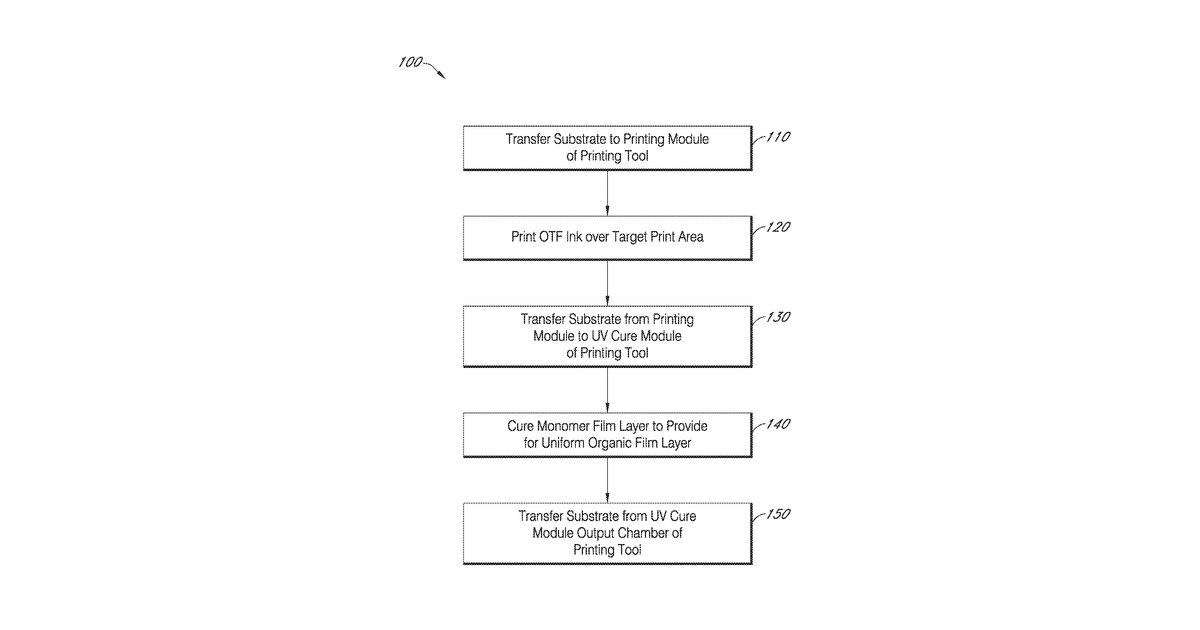
This invention describes a method for adding a thin plastic layer to an OLED screen. It works by printing a liquid ink directly onto an existing film on the screen, then hardening it with light to create a durable organic coating. The ink is specifically formulated to contain 70-95% of a neopentyl glycol-based di(meth)acrylate monomer, often with a small amount of a light-activated chemical.
Why it matters: OLED display technology has significantly matured since 2017, particularly with the development of flexible and foldable form factors. This creates a greater need for advanced, thin film encapsulation methods, while precision printing and UV curing systems have also become more refined.
AI gives you a few directions you could take this. Pick one, and we check whether your version is different enough to patent, then write the filing.
Reinvent this with AI


