
Turn abandoned patents
into your own filing
into your own filing
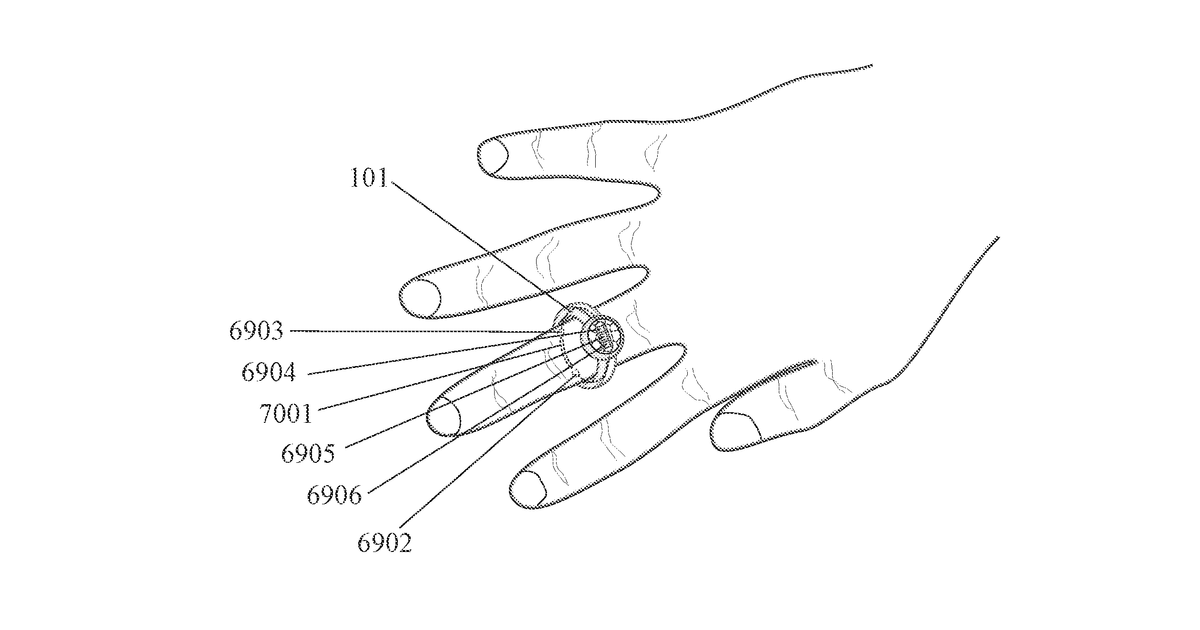
This invention describes a finger ring designed to track how much a person eats. It does this by sending electromagnetic energy through the finger and measuring how the finger tissue changes those signals. The claims narrow this invention to specifically measuring either the electrical impedance or resistance of the finger tissue.
Why it matters: Miniaturized, low-power integrated circuits for bio-impedance sensing are significantly more advanced and accessible now. This enables more accurate and energy-efficient continuous tissue monitoring in a compact, wearable form factor.
AI gives you a few directions you could take this. Pick one, and we check whether your version is different enough to patent, then write the filing.
Reinvent this with AI


