
Turn abandoned patents
into your own filing
into your own filing
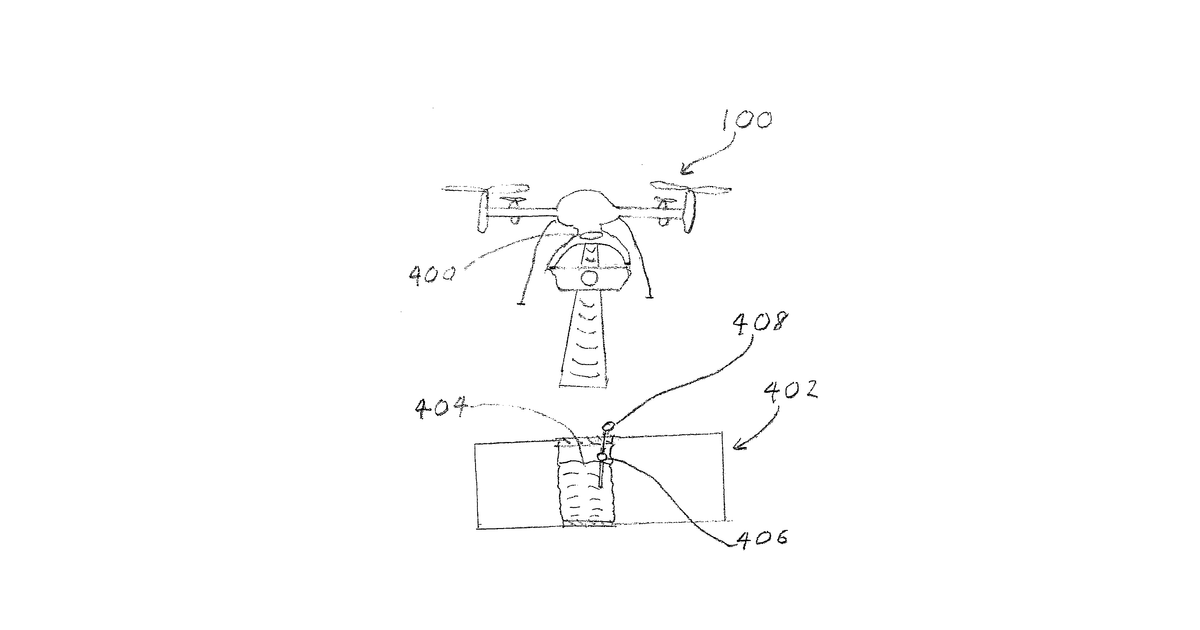
This invention describes a system that uses a drone to fly to distant oil and gas sites. The drone carries sensors that can detect airborne particles or gases, such as methane, in the environment. It then wirelessly sends this information in real-time to a separate computer for analysis, specifically using a laser to transmit light and detect the reflected light to identify and measure these substances.
Why it matters: Drone autonomy and payload capacity have significantly improved since 2016, making remote deployment more practical. Advances in miniaturized laser-based gas sensors and robust remote connectivity also simplify real-time data collection.
AI gives you a few directions you could take this. Pick one, and we check whether your version is different enough to patent, then write the filing.
Reinvent this with AI


