
Turn abandoned patents
into your own filing
into your own filing
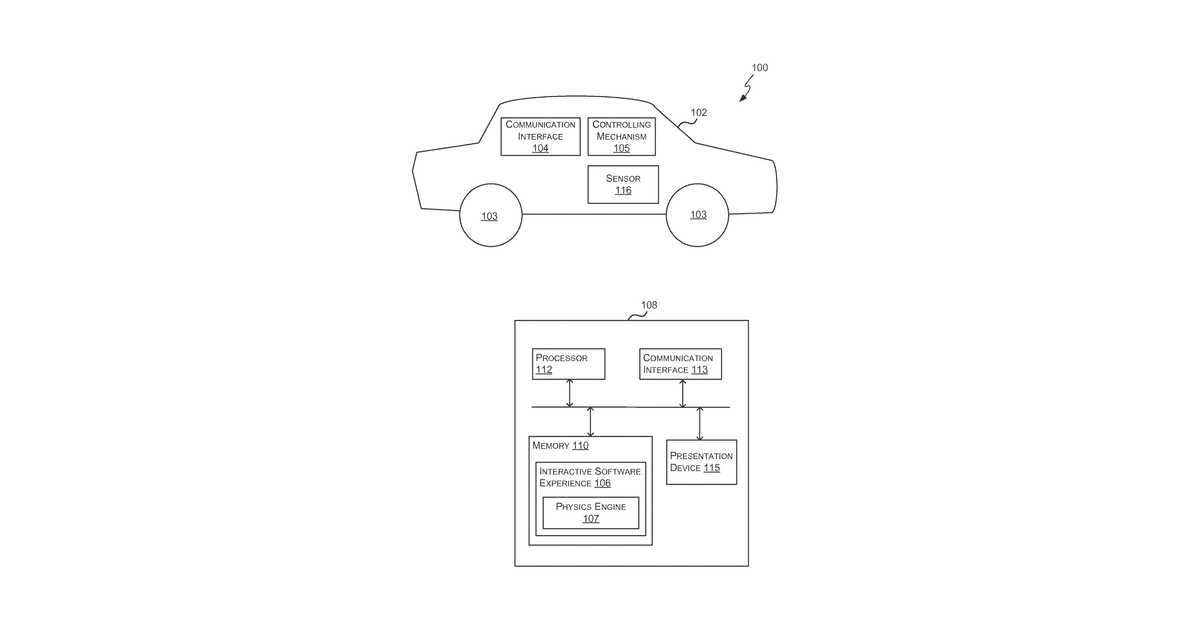
This invention describes a physical toy designed to move in sync with a virtual version of itself within a video game. A game's physics engine calculates the virtual toy's motion, and these instructions are sent to the real toy, which uses its internal motors or other mechanisms to mimic that movement. The claims focus specifically on the toy's components for receiving and acting on these signals.
Why it matters: Since 2014, wireless communication protocols have become more robust and cost-effective for toy integration. Additionally, the availability of smaller, more precise actuators and powerful embedded processors makes complex real-time motion control in toys more achievable.
AI gives you a few directions you could take this. Pick one, and we check whether your version is different enough to patent, then write the filing.
Reinvent this with AI


