
Turn abandoned patents
into your own filing
into your own filing
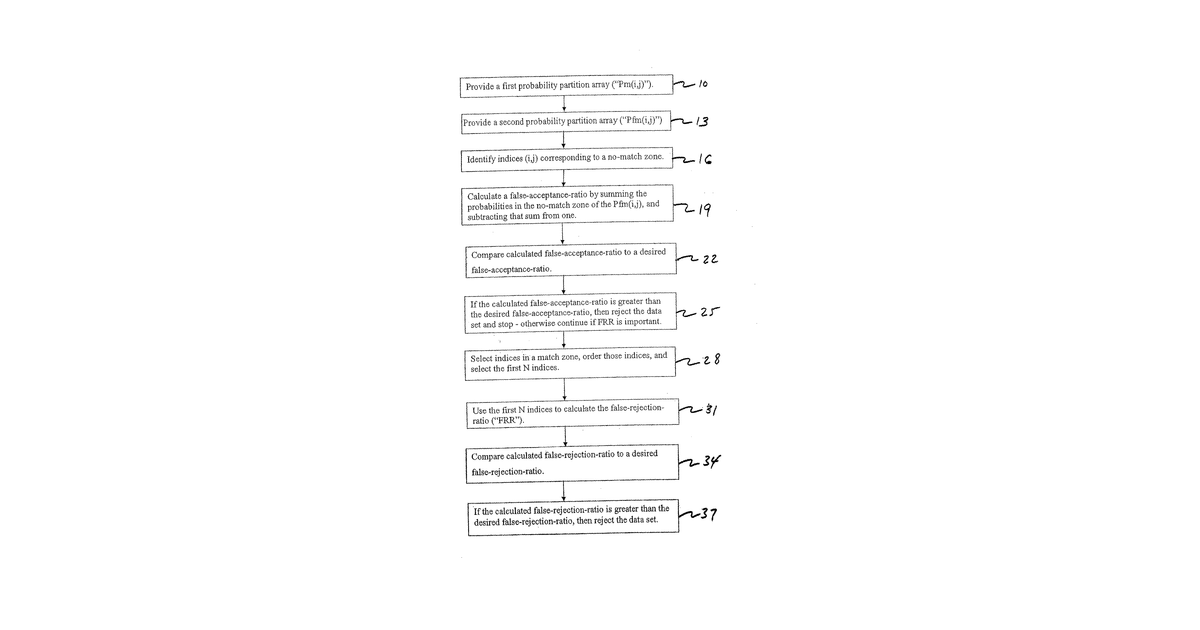
This invention describes a method to determine if a collection of information is reliable enough to make a decision. It does this by creating statistical models, potentially using a specialized tool called a Copula model, to represent the probabilities within different parts of the data. By analyzing these models, the system calculates how often it might incorrectly accept bad data or reject good data. If these error rates are too high compared to what's acceptable, the data set is flagged as unsuitable for making a decision, especially for data combining at least two different types of information about objects.
Why it matters: Filed before the widespread adoption of large-scale multimodal AI systems, this invention addresses a critical need for reliable data quality assessment. Today, with the explosion of diverse data sources and the critical reliance on AI-driven decisions, the ability to automatically assess data quality and fusion reliability, as described, is far more relevant and computationally achievable.
AI gives you a few directions you could take this. Pick one, and we check whether your version is different enough to patent, then write the filing.
Reinvent this with AI


