
Turn abandoned patents
into your own filing
into your own filing
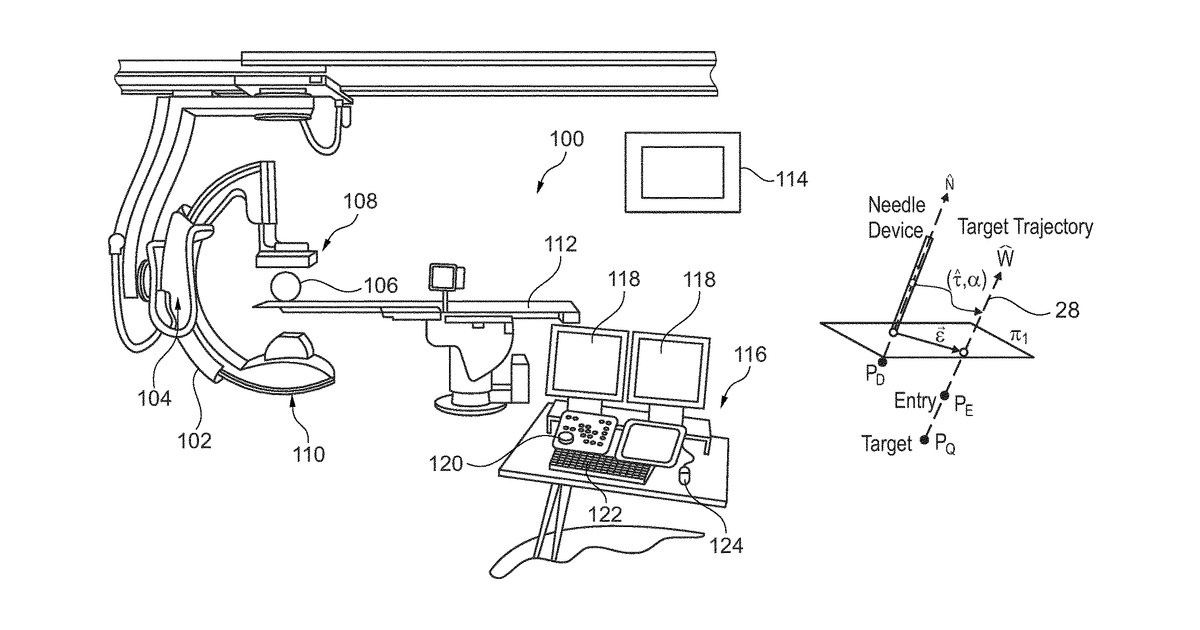
This system uses a multi-axis robotic arm to precisely position an elongated surgical instrument. It works by tracking the instrument's real-time position and automatically aligning it with a pre-defined plan, without needing any tracking markers on the robot itself. The claims specify how it establishes initial alignment and continuously corrects the instrument's position based on its real-time feedback.
Why it matters: The core innovation of markerless robot tracking for surgical instruments relies heavily on real-time sensor fusion and predictive control. Since 2020, advancements in these areas, particularly with AI-driven algorithms, have likely made such systems more robust and precise, simplifying surgical workflows.
AI gives you a few directions you could take this. Pick one, and we check whether your version is different enough to patent, then write the filing.
Reinvent this with AI


