
Turn abandoned patents
into your own filing
into your own filing
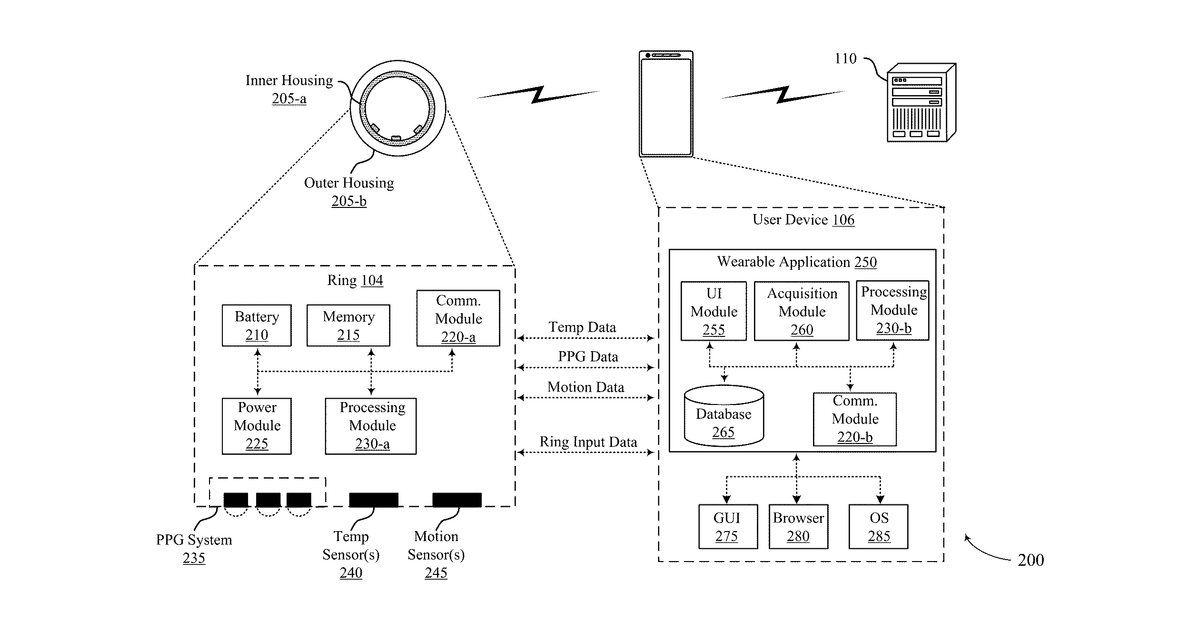
A wearable device, specifically designed to be worn on a finger, can identify and authenticate its user. It does this by first learning the user's unique body signals over time. When the device is placed on a finger, it senses this using a light detector, then collects physiological data from the finger, and if it matches the learned profile, it confirms the user's identity. This allows the device to perform actions like making a payment or gathering more health data, as long as it remains on the finger.
Why it matters: The reliability of continuous, passive biometric authentication from miniaturized finger-worn sensors has significantly improved since 2022, making this approach more viable for secure payment transactions.
AI gives you a few directions you could take this. Pick one, and we check whether your version is different enough to patent, then write the filing.
Reinvent this with AI


