
Turn abandoned patents
into your own filing
into your own filing
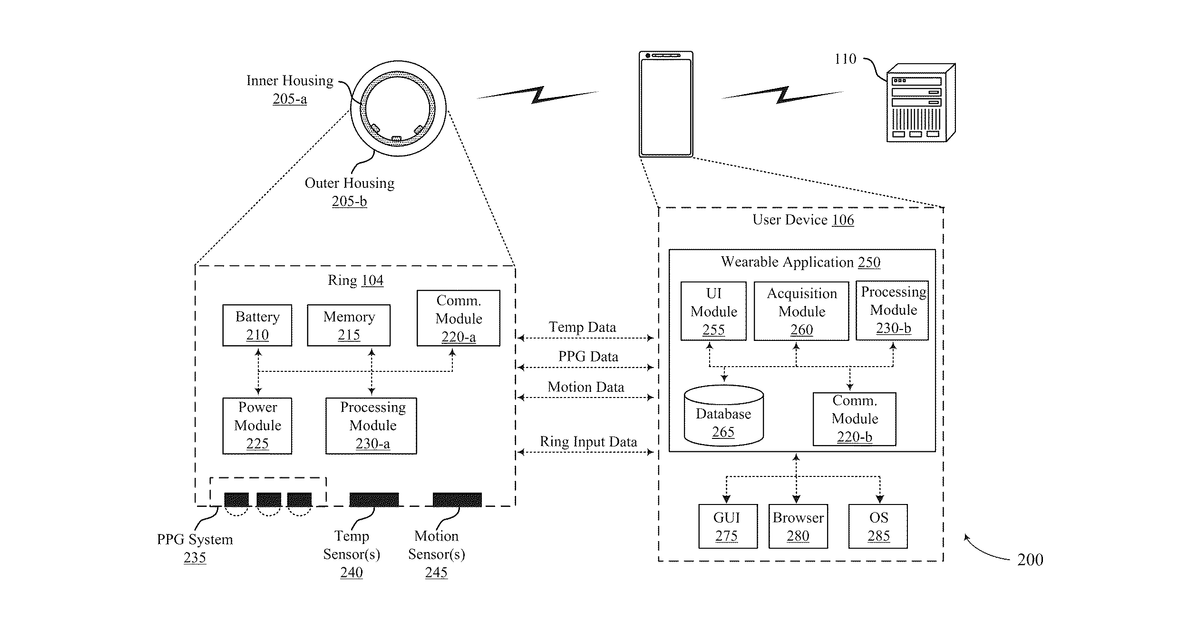
The system uses a wearable device to track a person's heart rate variability (HRV) over time. It then feeds this HRV data, specifically looking at its low and high frequency components, into a machine learning program. This program compares the HRV patterns from different time periods to spot significant changes, and if a change is detected, it shows an illness risk score on a user's phone or device.
Why it matters: Since 2021, the accessibility and performance of machine learning models for time-series physiological data have significantly improved, potentially simplifying the development of the required classifier.
AI gives you a few directions you could take this. Pick one, and we check whether your version is different enough to patent, then write the filing.
Reinvent this with AI


