
Turn abandoned patents
into your own filing
into your own filing
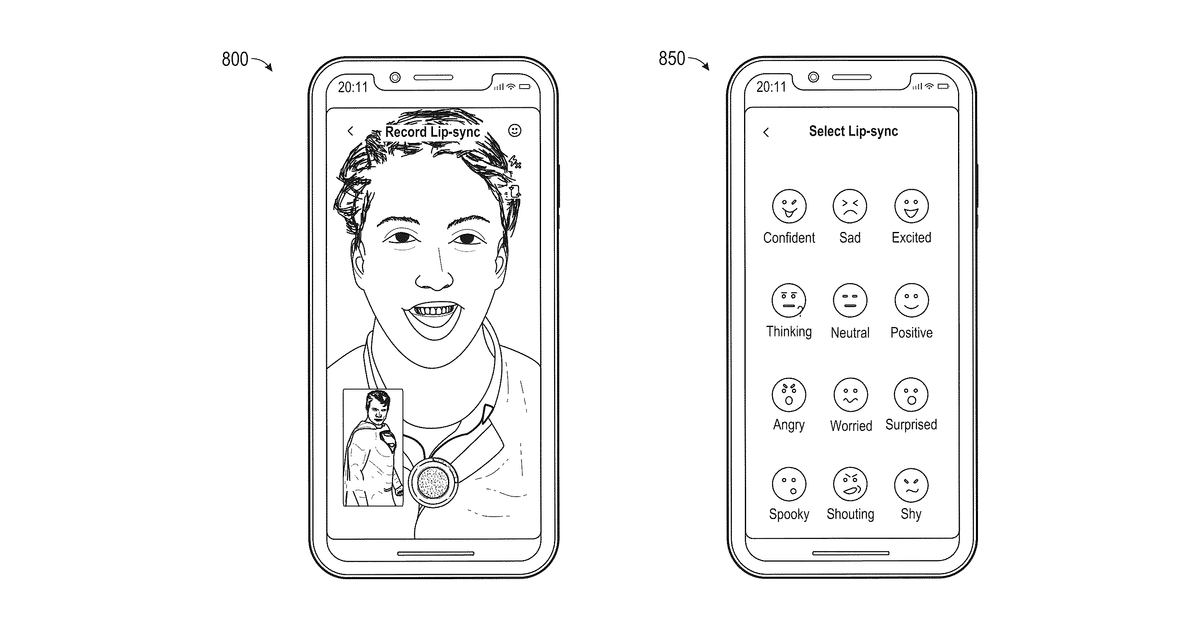
This technology analyzes a video of a person's face and expressions, including their lip movements, to extract detailed information about their head movements and facial changes. It then uses this extracted information, which includes unobservable 'hidden features,' to generate new video content that can modify or transfer the original expressions to another face. This new content is then presented as augmented reality content on a device.
Why it matters: Filed in 2023, the rapid advancements in generative AI and real-time facial synthesis since then could make the creation of realistic AR content more efficient and accessible. The claims' reliance on 'latent vectors' is now better supported by more powerful and readily available deep learning models.
AI gives you a few directions you could take this. Pick one, and we check whether your version is different enough to patent, then write the filing.
Reinvent this with AI


