
Turn abandoned patents
into your own filing
into your own filing
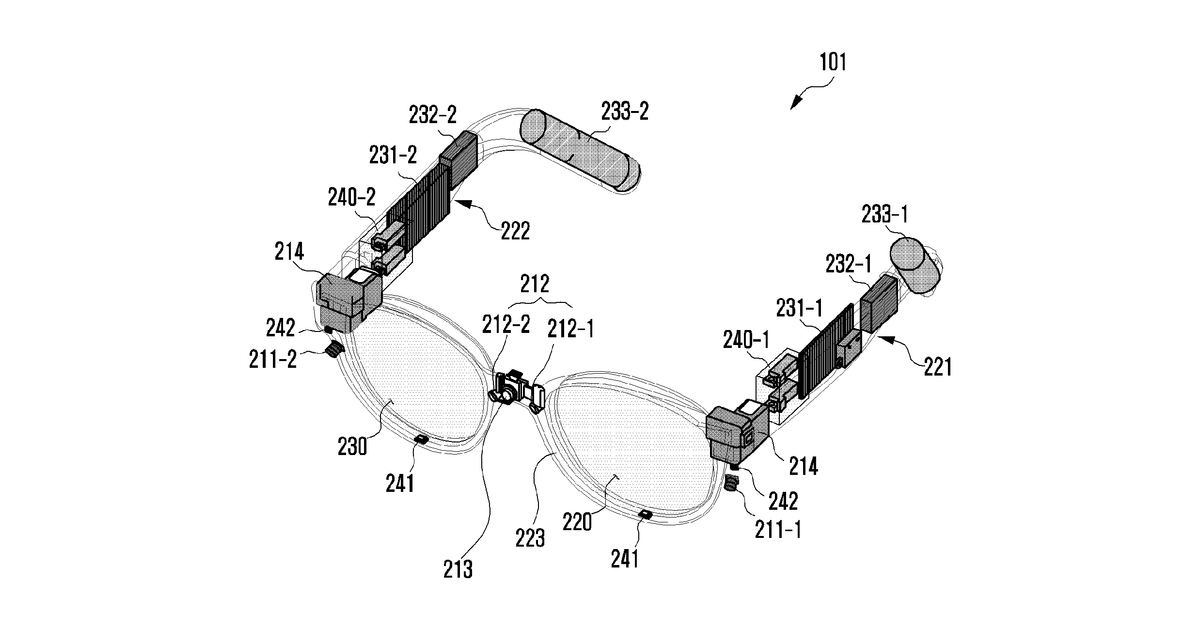
This electronic device, described as having a main body, a glass, and a rotatable support, tracks where a user is looking. It does this by shining two different lights into the user's eyes, capturing images, and then combining those images to precisely locate the pupils and determine the user's gaze direction for augmented reality services.
Why it matters: Advances in machine learning for real-time image processing and computer vision since 2023 could significantly enhance the accuracy and efficiency of the gaze tracking algorithms described. This makes the complex image synthesis and coordinate calculation more robust for a wearable device.
AI gives you a few directions you could take this. Pick one, and we check whether your version is different enough to patent, then write the filing.
Reinvent this with AI


