
Turn abandoned patents
into your own filing
into your own filing
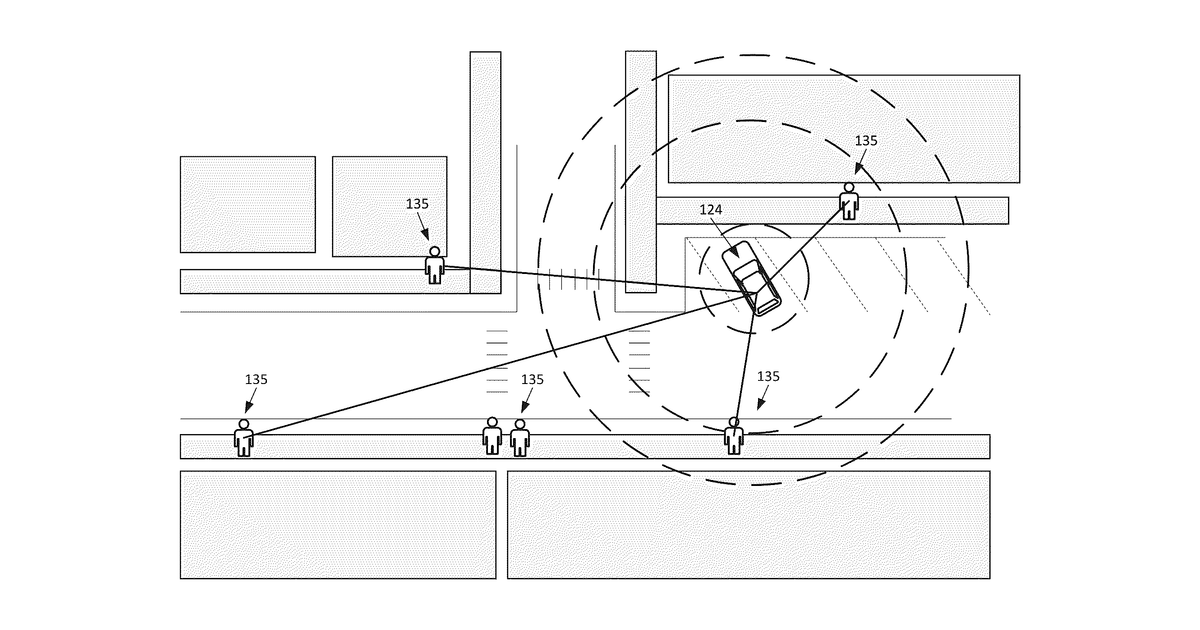
This invention describes a system for shared autonomous vehicles that are parked and waiting for a user. The vehicle's computer watches pedestrians nearby, predicts their paths, and figures out how interested they might be in the vehicle. If a pedestrian seems interested, the vehicle can signal to them, potentially also considering factors like eye contact or how close they are.
Why it matters: Real-time computer vision and AI for pedestrian tracking and facial analysis have significantly matured since 2020, making the on-board processing described in the claims more feasible and efficient.
AI gives you a few directions you could take this. Pick one, and we check whether your version is different enough to patent, then write the filing.
Reinvent this with AI


