
Turn abandoned patents
into your own filing
into your own filing
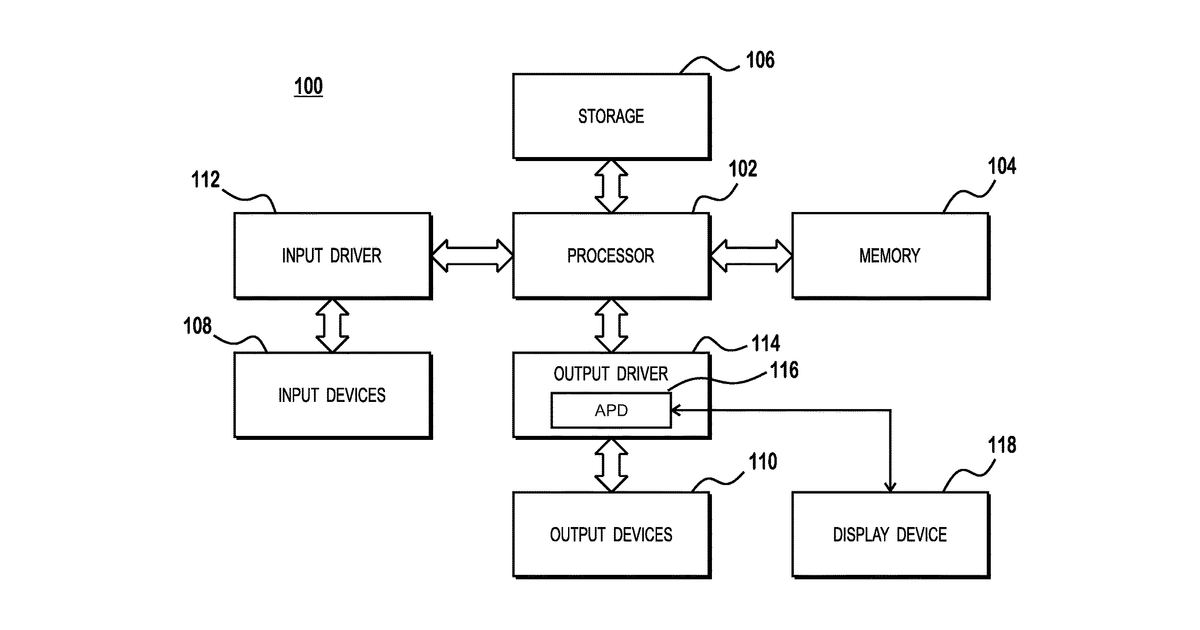
This invention describes a technique for computer graphics systems to make rendering more efficient by dynamically adjusting the detail level (shading rate) for different parts of an image. After rendering a frame, the system identifies specific areas, called "tiles," that contain the edges of 3D objects. For subsequent frames, it uses this information to apply higher detail to areas with edges and lower detail to smoother areas, thereby saving processing power. The claims specifically narrow this to generating feedback for subsequent operations based on detecting triangle edges within VRS tiles using depth test results.
Why it matters: As Variable Rate Shading became a standard feature in graphics APIs after 2023, the demand for dynamic, scene-aware optimization of shading rates has grown to maximize performance gains, making adaptive feedback systems more valuable.
AI gives you a few directions you could take this. Pick one, and we check whether your version is different enough to patent, then write the filing.
Reinvent this with AI


