
Turn abandoned patents
into your own filing
into your own filing
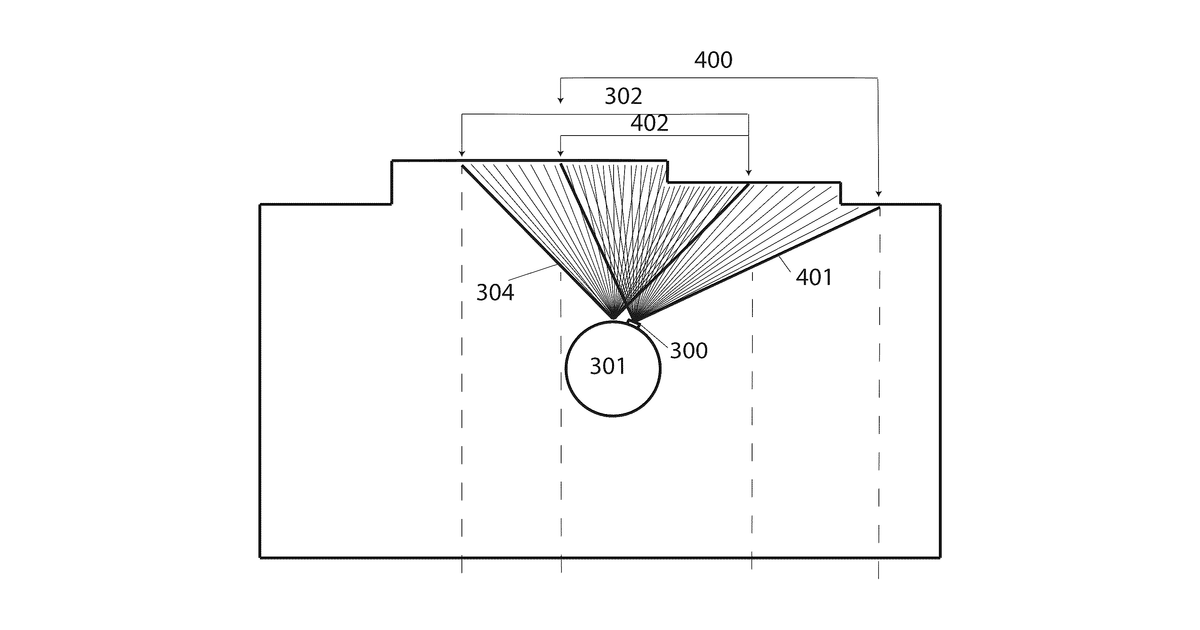
This invention describes a robotic device that can track its own location and movement very accurately. It uses various sensors, like those measuring wheel turns and the surface it's on, to estimate where it's going. To correct any errors, it also takes pictures of its surroundings and compares what it sees to a set of possible locations, picking the most likely one to update its position. The claims narrow this to a robot with a chassis, wheels, motors, and tools for performing work.
Why it matters: The patent's core relies on processing visual readings against an ensemble of possibilities for localization. Since 2021, advancements in computer vision and edge computing have significantly improved the efficiency and accuracy of real-time visual processing for robotic navigation, potentially simplifying the implementation of this system.
AI gives you a few directions you could take this. Pick one, and we check whether your version is different enough to patent, then write the filing.
Reinvent this with AI


