
Turn abandoned patents
into your own filing
into your own filing
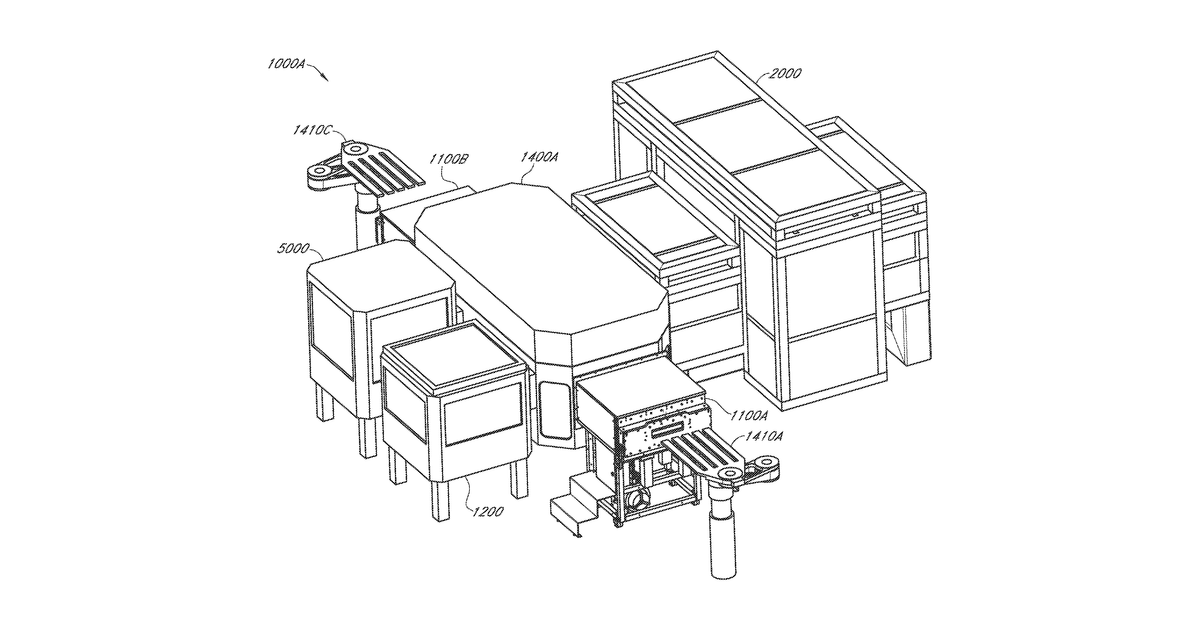
This invention describes a method for manufacturing electronic devices, such as those found in OLED screens. It involves printing delicate organic materials onto a base in a first controlled room, then immediately moving that base into a second, sealed room where the air has much less oxygen. In this second room, the organic material is heated to process it, and then it might be moved again to a cooling station. This multi-step process helps protect the sensitive organic materials from oxygen and contaminants during manufacturing.
Why it matters: The claims address a fundamental challenge in organic electronics manufacturing: protecting sensitive materials during thermal processing. Since 2021, advancements in gas purification and precision material handling systems could make implementing such a multi-environment process more efficient or cost-effective, improving yield for increasingly complex organic devices.
AI gives you a few directions you could take this. Pick one, and we check whether your version is different enough to patent, then write the filing.
Reinvent this with AI


