
Turn abandoned patents
into your own filing
into your own filing
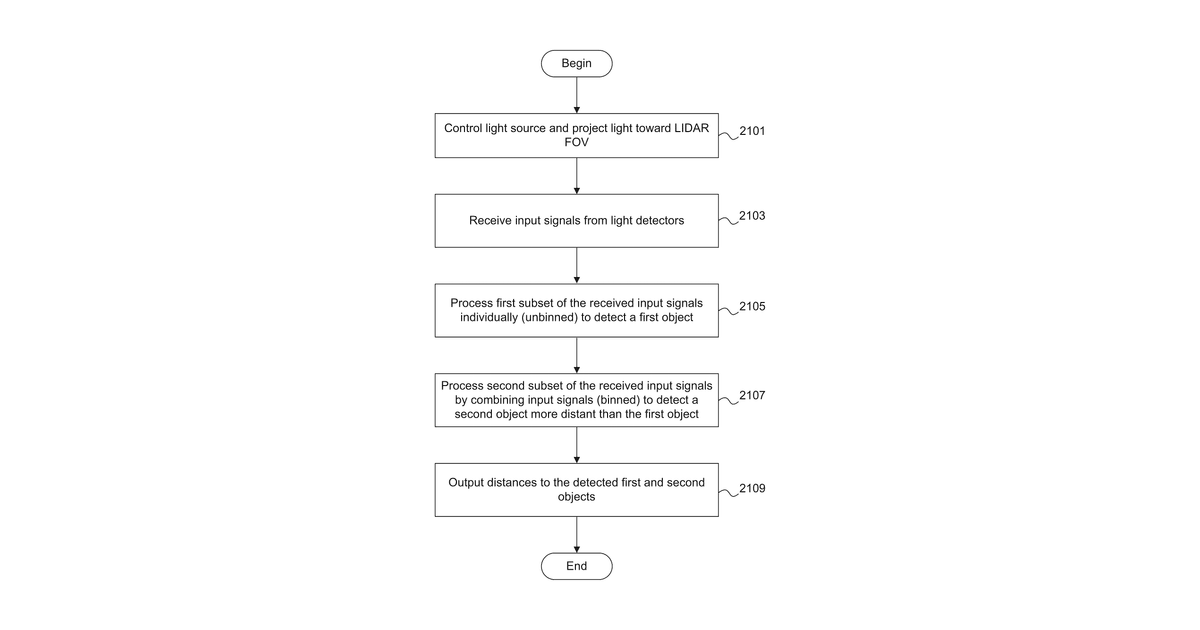
This invention describes a LIDAR system split into two main parts. One part, a "first housing," contains the main computer that controls the light source and processes data. The other part, a "second housing," is placed separately, often in a vehicle, and contains a mirror or deflector that scans the environment with light. These two parts are connected by a cable that sends control signals to the deflector and brings back signals from reflected light. The light source itself can be located in either the first or second housing.
Why it matters: Since 2020, the demand for compact, robust vehicle-integrated LIDAR has grown. Advances in high-speed data links and miniaturized, ruggedized scanning components make this distributed architecture more practical for automotive applications.
AI gives you a few directions you could take this. Pick one, and we check whether your version is different enough to patent, then write the filing.
Reinvent this with AI


