
Turn abandoned patents
into your own filing
into your own filing
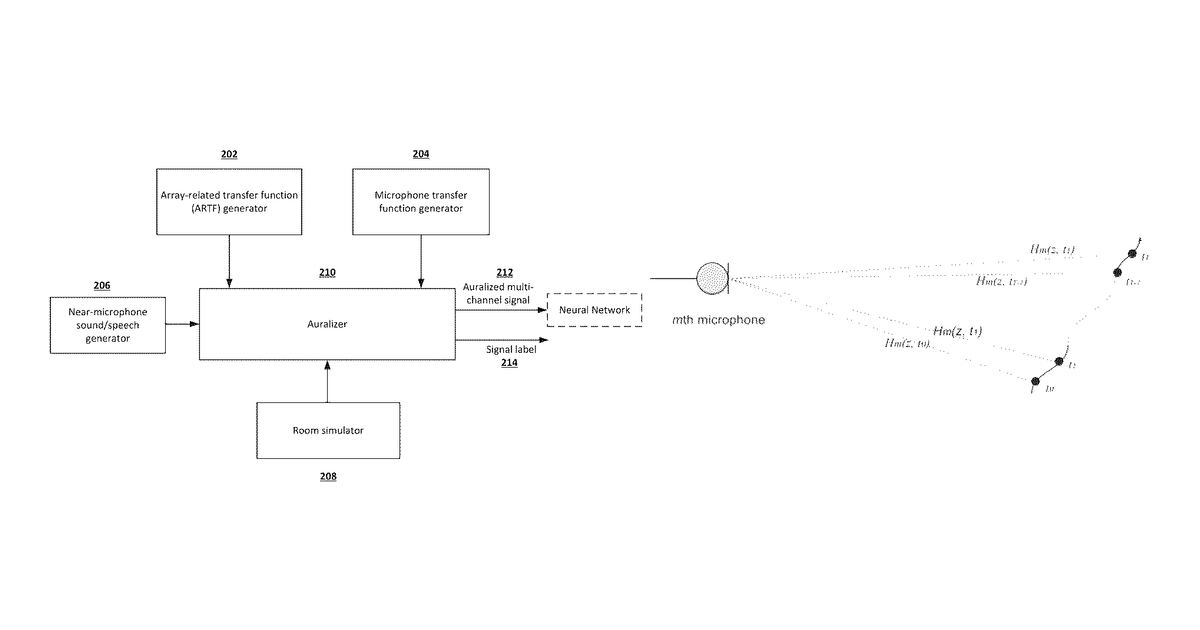
This invention describes a method for simulating how sound travels from a speaker to a specific microphone within a device that has multiple microphones. It works by first mapping out all the different ways sound can reach that microphone, including direct paths and reflections off surfaces in a simulated room. Then, it combines specific acoustic characteristics of the microphone with information about the simulated room to create a detailed "sound fingerprint" for each path. The claims specifically narrow this to generating an impulse response from a speaker to a first microphone of the device.
Why it matters: Since 2022, the widespread adoption of spatial audio in consumer electronics, particularly AR/VR and advanced headphones, has increased the need for sophisticated auralization. Concurrently, advancements in processing power and specialized audio hardware have made real-time simulation of complex sound paths more practical on these devices.
AI gives you a few directions you could take this. Pick one, and we check whether your version is different enough to patent, then write the filing.
Reinvent this with AI


