
Turn abandoned patents
into your own filing
into your own filing
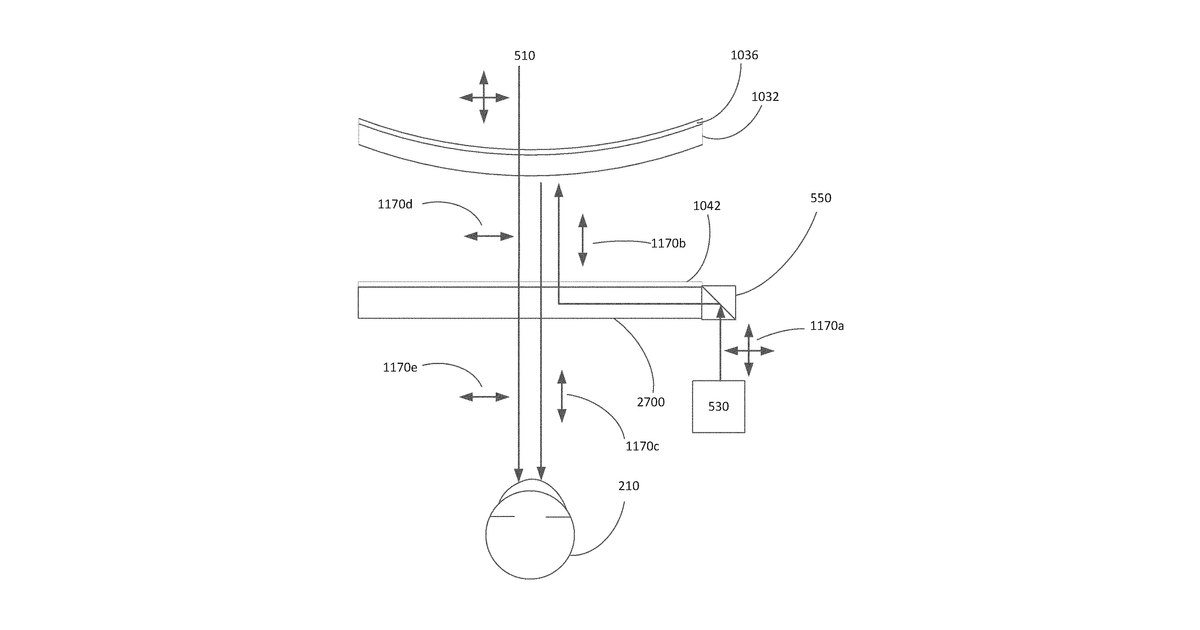
This describes augmented reality glasses that allow a wearer to see the real world while simultaneously viewing computer-generated images. The system uses an internal display and waveguides to project the digital images. A key component is a mirror on the front that can change its optical properties, like focus or reflection, by deforming its surface in response to an electrical signal applied via an electrode.
Why it matters: The four years since filing have seen continued progress in compact, low-power liquid crystal and MEMS optical components, making the variable power reflector more practical for integration into wearable AR systems. This directly addresses the persistent challenge of vergence-accommodation conflict in augmented reality.
AI gives you a few directions you could take this. Pick one, and we check whether your version is different enough to patent, then write the filing.
Reinvent this with AI


