
Turn abandoned patents
into your own filing
into your own filing
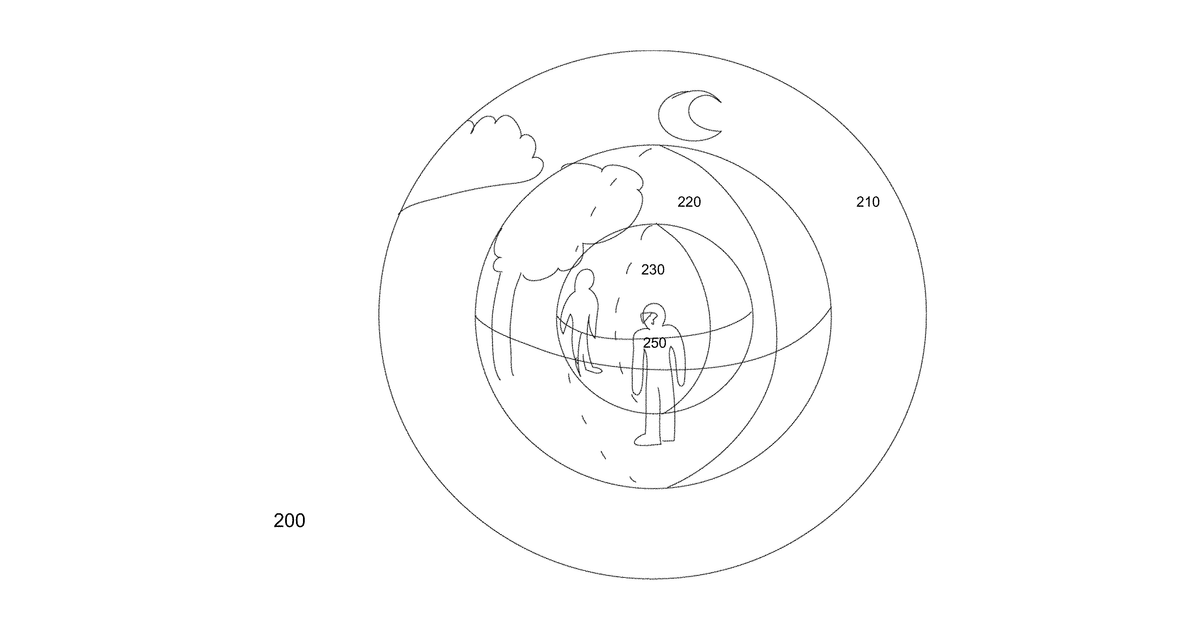
This invention describes a way to make 360-degree videos feel more immersive by simulating depth. It works by a server creating multiple video streams, each representing a different depth layer of the original scene. A viewer's device then receives these streams, tracks the user's head movements (specifically side-to-side or up-and-down shifts), and renders the appropriate depth layers to create the illusion that objects move relative to each other as the viewer shifts their head. The number of depth layers sent depends on the viewer's device capabilities.
Why it matters: Filed before AI-powered depth estimation was widely accessible, making the server-side generation of depth layers significantly easier. Client device processing power has also increased, making real-time rendering of more depth layers more feasible.
AI gives you a few directions you could take this. Pick one, and we check whether your version is different enough to patent, then write the filing.
Reinvent this with AI


