
Turn abandoned patents
into your own filing
into your own filing
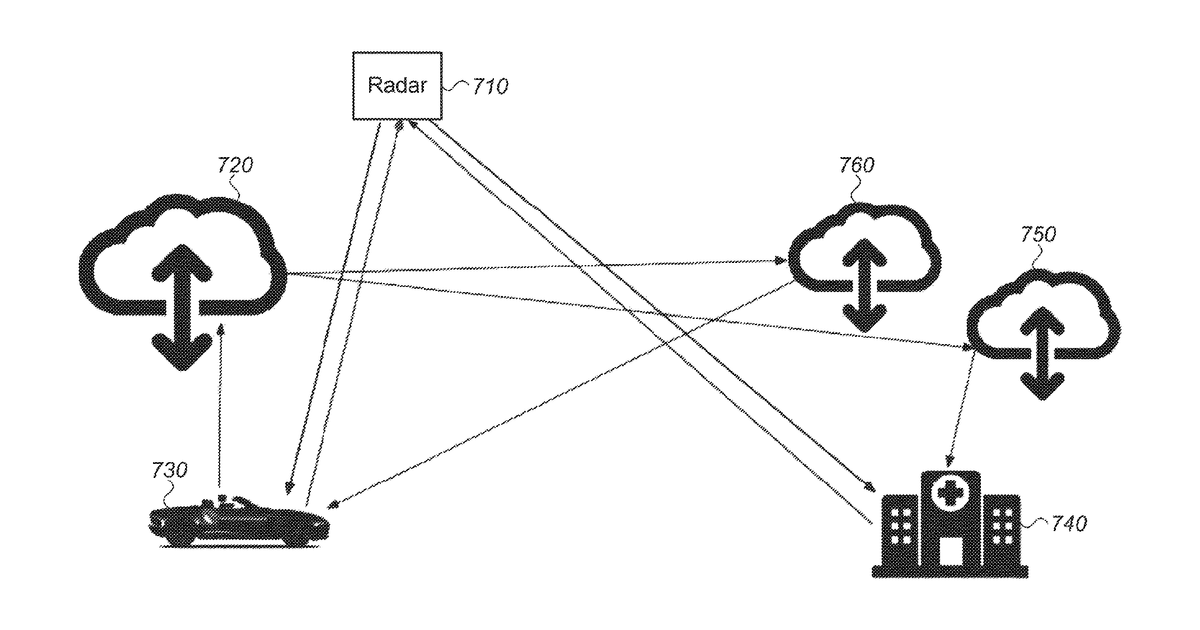
This invention describes a portable radar system that uses very high-frequency radio waves, specifically between 0.03 and 3 THz, to remotely measure a person's vital signs, such as heart rate. It works by sending these waves towards a person's body and then analyzing the reflected signals to detect tiny, rhythmic movements caused by internal physiological processes. The system filters out noise and isolates these subtle patterns to determine parameters like heart rate and its variations, which can then be sent to a cloud system.
Why it matters: Since 2019, advancements in compact THz component manufacturing and machine learning algorithms for complex signal processing have made the "portable" and "identifying/removing random motions" aspects more achievable. Cloud infrastructure for remote monitoring has also matured.
AI gives you a few directions you could take this. Pick one, and we check whether your version is different enough to patent, then write the filing.
Reinvent this with AI


