
Turn abandoned patents
into your own filing
into your own filing
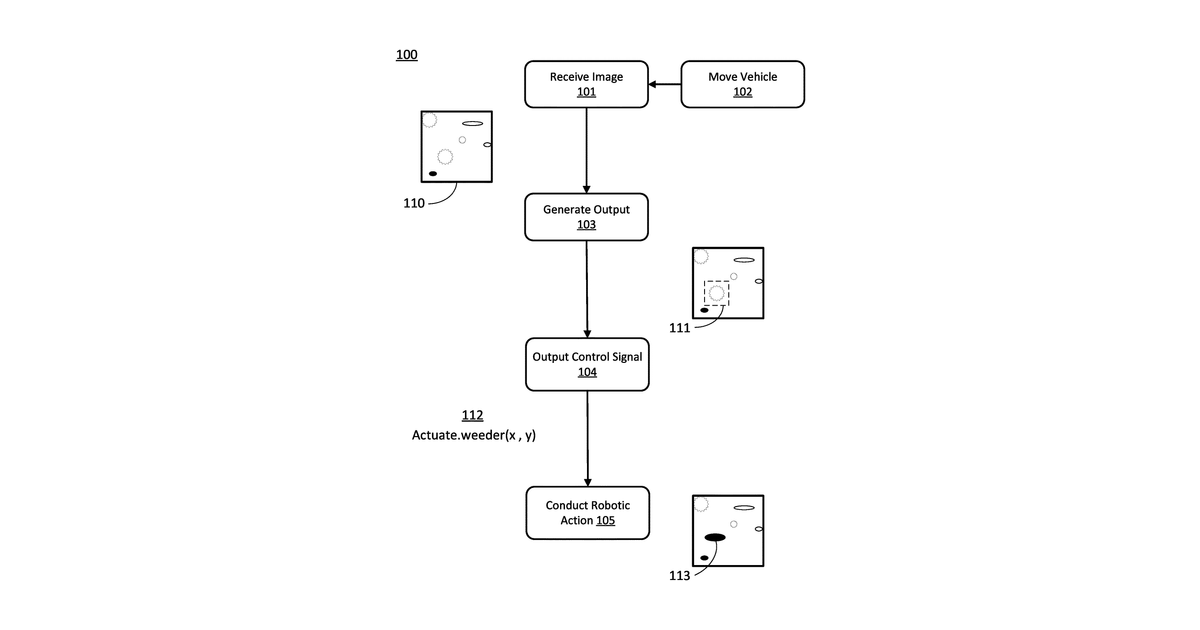
This invention helps farm robots perform tasks by using a camera and a smart computer program. As a camera moves over a field, it takes pictures of plants. The computer program analyzes these pictures, but it's unique because it also considers the typical distance between plants. If the program's initial assessment of plant locations doesn't match the expected spacing, it adjusts its understanding, then guides a robot to perform an agricultural task. The claims specify that an initial average plant spacing is provided, perhaps by a farmer, and then continuously updated as the robot works.
Why it matters: Filed before the latest generation of efficient computer vision models and edge AI processors. Implementing the "spacing-aware" logic, which biases detection based on contextual data, is now more feasible and robust with current AI architectures and hardware.
AI gives you a few directions you could take this. Pick one, and we check whether your version is different enough to patent, then write the filing.
Reinvent this with AI


