
Turn abandoned patents
into your own filing
into your own filing
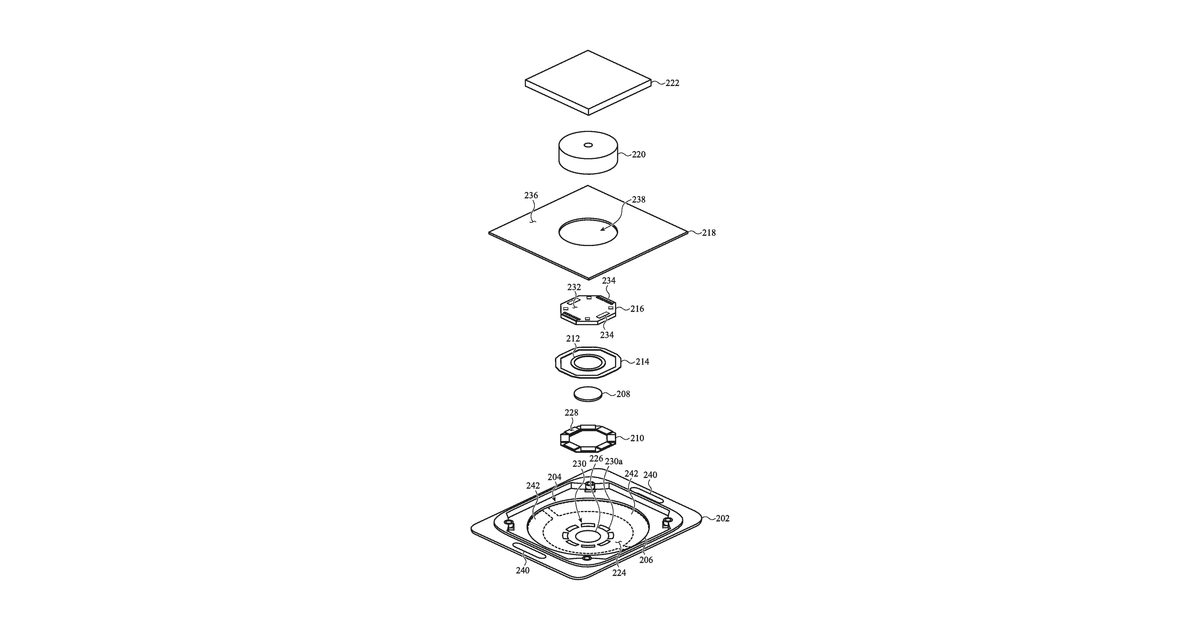
This invention describes an optical sensor built into a watch, specifically placed just inside the watch's cover. It works by shining light onto the wearer's skin and then detecting the light that bounces back, which allows it to measure biological parameters like heart rate. The design includes features like a wall to block stray light and a filter to improve signal quality.
Why it matters: Since 2018, advancements in miniaturized optical components and low-power processing have made integrating sophisticated optical sensors into compact watch covers more feasible and accurate, especially for continuous heart rate monitoring.
AI gives you a few directions you could take this. Pick one, and we check whether your version is different enough to patent, then write the filing.
Reinvent this with AI


