
Turn abandoned patents
into your own filing
into your own filing
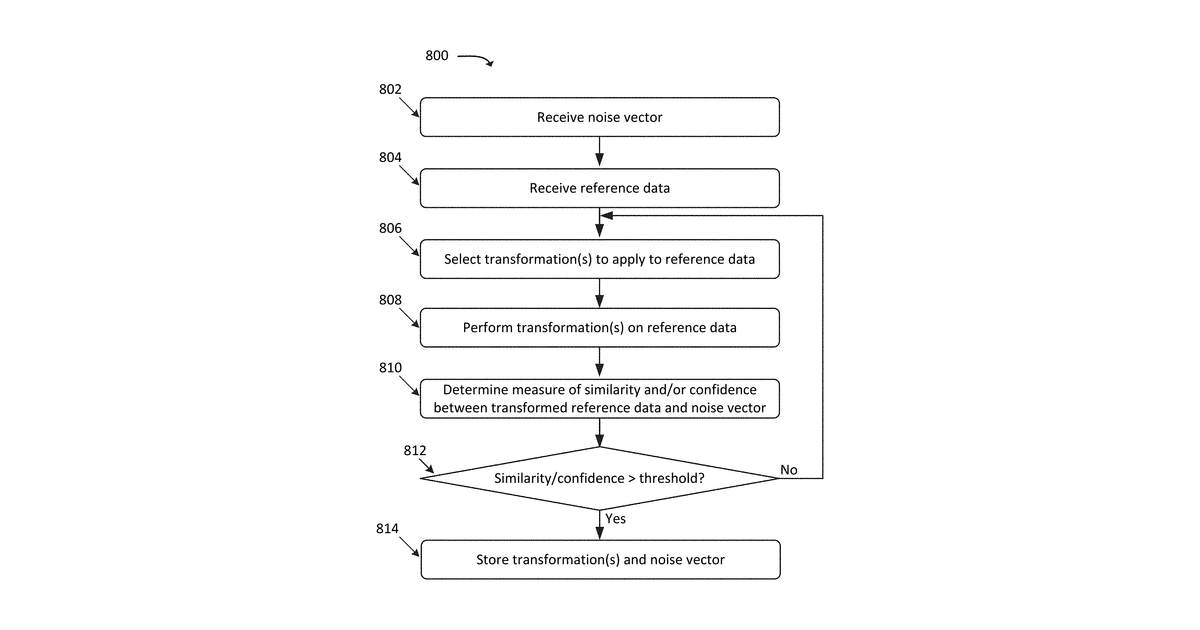
This invention describes a device that authenticates users, for example, using their biometric information like a face or fingerprint. It works by taking this biometric data and repeatedly changing it until it matches a pre-defined random 'noise' pattern. The system then uses the specific sequence of changes needed to achieve this match as the basis for verifying the user's identity.
Why it matters: Since 2020, machine learning, particularly in areas like generative models and efficient training, has advanced significantly. This could make the iterative transformation and comparison process described in the claims more computationally feasible and robust for secure biometric authentication.
AI gives you a few directions you could take this. Pick one, and we check whether your version is different enough to patent, then write the filing.
Reinvent this with AI


