
Turn abandoned patents
into your own filing
into your own filing
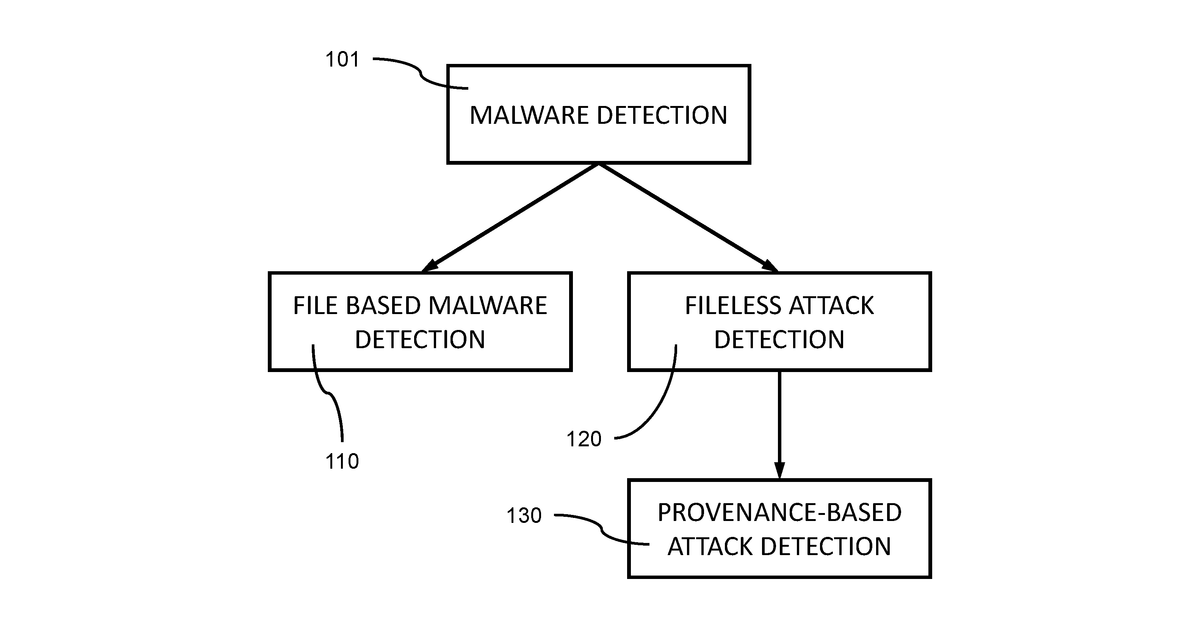
This invention describes a computer system that monitors program activities on a computer or network by collecting data on how processes interact, such as which files they access or other programs they start. It builds a detailed map of these activities, then samples and scores parts of this map to identify normal behavior. By converting these activity paths into numerical data and looking for unusual patterns, the system can detect malicious actions and automatically stop the offending program. Specifically, it gathers data by intercepting operating system calls and trains its anomaly detection using only benign, non-malicious data.
Why it matters: Since 2020, significant advancements in graph processing, graph neural networks, and efficient sampling algorithms have made handling large-scale provenance data more practical. This could enhance the system's ability to detect sophisticated, stealthy threats by efficiently managing the 'dependency explosion problem' and improving anomaly detection accuracy.
AI gives you a few directions you could take this. Pick one, and we check whether your version is different enough to patent, then write the filing.
Reinvent this with AI


