
Turn abandoned patents
into your own filing
into your own filing
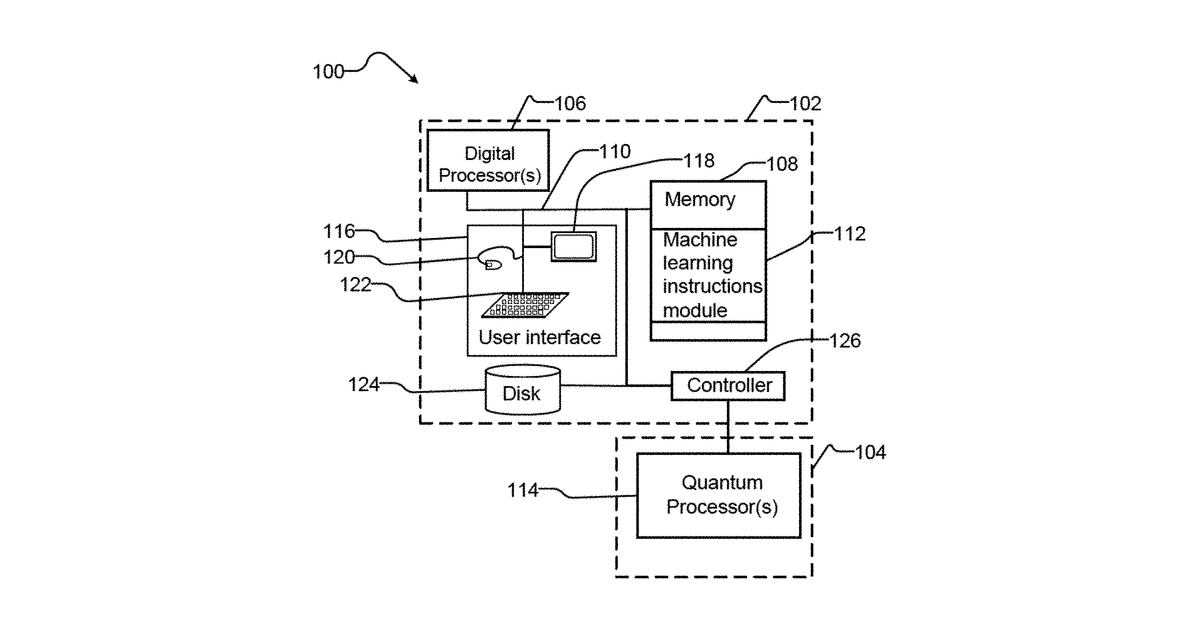
This invention describes a method for using quantum computers to solve complex problems, particularly those represented as Bayesian networks, which are common in artificial intelligence. It works by converting these directed Bayesian networks into undirected Markov networks, which are better suited for the physical structure of current quantum processors. The quantum computer then processes this converted problem to find approximate solutions. The claims specifically detail methods for this conversion, such as 'moralization' or adapting the network to the quantum processor's physical layout.
Why it matters: Quantum processors with sufficient qubits and connectivity to test these methods were extremely rare in 2019. By 2026, NISQ devices have advanced enough to make experimental validation of quantum machine learning techniques, like those described, more accessible.
AI gives you a few directions you could take this. Pick one, and we check whether your version is different enough to patent, then write the filing.
Reinvent this with AI


