
Turn abandoned patents
into your own filing
into your own filing
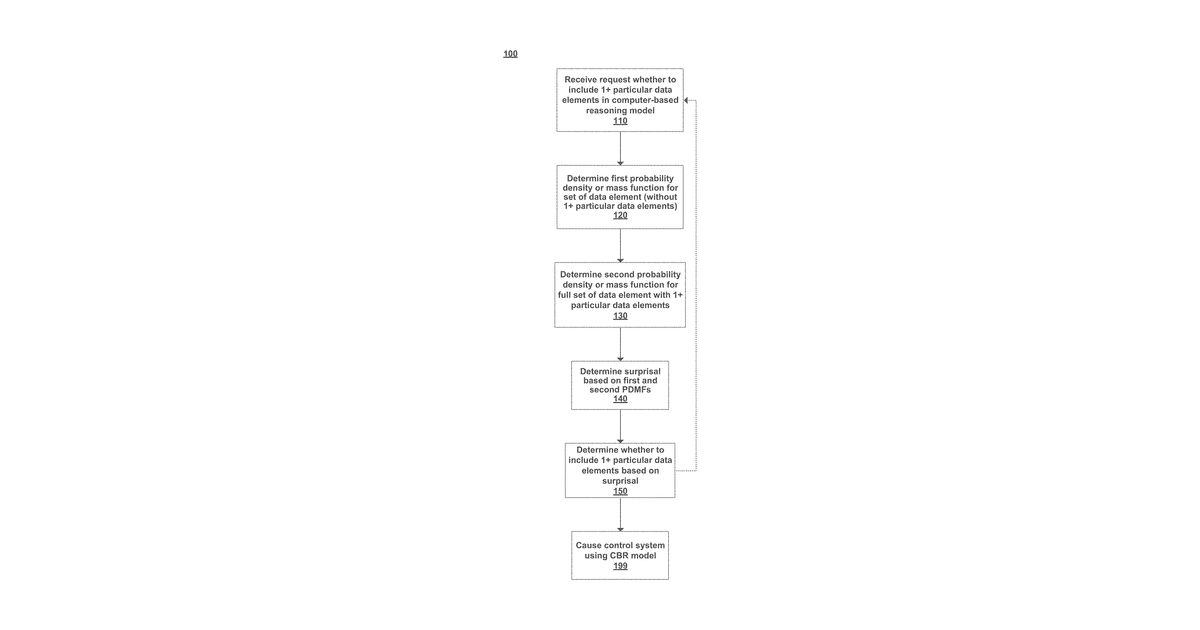
This invention describes a way to make artificial intelligence models more efficient and balanced by carefully selecting the data they use. It works by calculating "conviction scores" for each piece of data, which measure its relevance or familiarity, and then decides whether to include it in the AI model based on specific conditions and thresholds. This process helps create leaner, more effective AI models for controlling various systems, from self-driving cars to smart voice assistants. The claims specifically detail using "distance contribution" and "familiarity conviction" scores.
Why it matters: The rapid growth of large AI models and the associated computational costs since 2020 have made model reduction and training efficiency paramount. This invention's method of selectively including data based on conviction scores could significantly improve the performance and resource usage of modern AI systems.
AI gives you a few directions you could take this. Pick one, and we check whether your version is different enough to patent, then write the filing.
Reinvent this with AI


